The Current Status: Why the Fitbit Air Is Not Officially in GCC Stores
As of May 2026, the landscape for the Google Fitbit Air in the Middle East is defined by a notable absence. While the device launched with retail availability in 20 major markets including the US, UK, Canada, and key European nations, the Google Store explicitly excluded all Middle Eastern countries from its initial distribution list. This means that for shoppers in the UAE, Saudi Arabia, Bahrain, Kuwait, Qatar, and Oman, there is no official Google Store channel to purchase the device directly. Furthermore, major regional retailers that typically stock Fitbit hardware with minimal delay—such as Sharaf DG, Noon, Amazon.ae, and Amazon.sa—have not yet listed the Fitbit Air on their shelves or websites.
This gap in availability is significant because the Fitbit Air represents a shift in the wearable market with its screenless design and Google Health Coach integration. For buyers in the GCC who are accustomed to the immediate availability of devices like the Fitbit Charge 6 or Versa 4, the wait for the Air is currently indefinite. Historically, Fitbit products reach the GCC region through a combination of authorized distributors and grey-import channels, often arriving 1-3 months after the US launch. However, without a confirmed announcement from Google regarding a MENA rollout, the timeline remains speculative.
The situation is further complicated by the fact that the Stephen Curry Special Edition was a US-only launch variant, meaning even if a regional launch were to happen, that specific colorway might remain unavailable. For now, the device exists in a state of limbo for Middle Eastern consumers: highly anticipated but physically inaccessible through standard retail channels.
Strategic Alternatives: What to Buy Instead in the GCC
For buyers in the Gulf Cooperation Council (GCC) who need a fitness tracker immediately and cannot wait for the Fitbit Air to arrive, several robust alternatives are currently available through formal regional channels. While none offer the exact screenless form factor of the Air, they provide the core health tracking stack including heart rate, sleep monitoring, and SpO2. The most direct substitute in terms of price and features is the Fitbit Charge 6, which is widely stocked at Sharaf DG, Noon UAE, and Amazon.ae. The Charge 6 includes a bright AMOLED display and built-in GPS, features the Air lacks, and is priced competitively at approximately AED 529 or SAR 646.
For those who prefer a full smartwatch experience with a larger screen, the Fitbit Versa 4 is another strong contender. Available across Sharaf DG and Virgin Megastore, it offers similar battery life and health metrics but commands a higher price point, typically around AED 549. It is important to note that while these devices are readily available, they do not feature the new Google Health Coach AI integration in the same capacity as the Air, although they do support the standard Fitbit app ecosystem.
Comparison of Available Alternatives in GCC:
| Device | Form Factor | Key Feature | Approx. GCC Price | Availability |
|---|---|---|---|---|
| Fitbit Charge 6 | Tracker (with screen) | AFib Alerts, Built-in GPS | AED 529 / SAR 646 | Sharaf DG, Noon, Amazon |
| Fitbit Versa 4 | Smartwatch | AMOLED Display, Google Assistant | AED 549 / SAR 646 | Sharaf DG, Virgin Megastore |
| Apple Watch SE | Smartwatch | Full Ecosystem, Siri | AED 999+ | Apple Stores, Major Retailers |
| Fitbit Air | Screenless Tracker | Google Health Coach AI, 7-Day Battery | $99.99 (US) | Not Available |
If your priority is the specific screenless minimalism and the one-time purchase model (avoiding subscription fees common with competitors like Whoop), these alternatives are functional but do not fully replicate the Air's value proposition. For the dedicated Fitbit Air enthusiast, the decision often comes down to waiting for a regional launch or sourcing the device internationally.
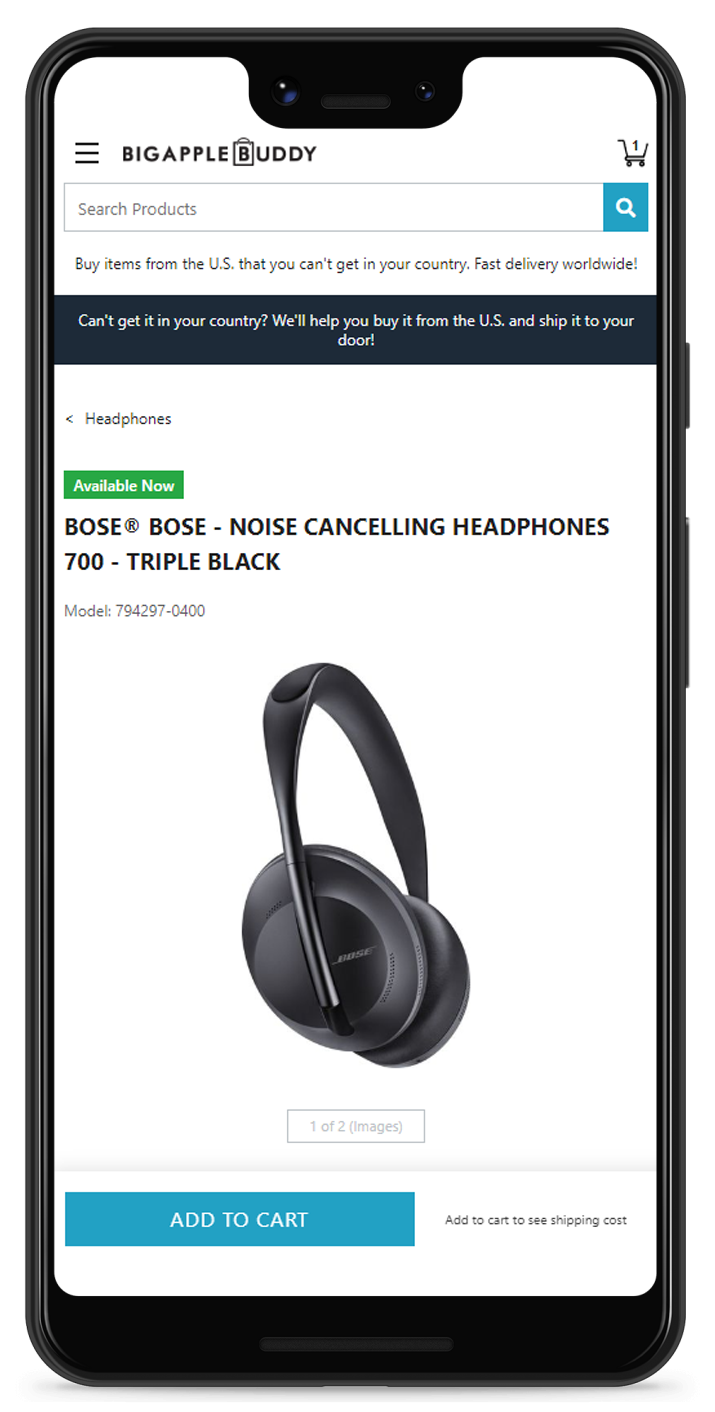
AVAILABLE FROM BIG APPLE BUDDY
Google Fitbit Air
We buy it in the U.S. and ship it to your door in 75+ countries.
BUY THIS NOW

The International Sourcing Path: Buying via Personal Shoppers
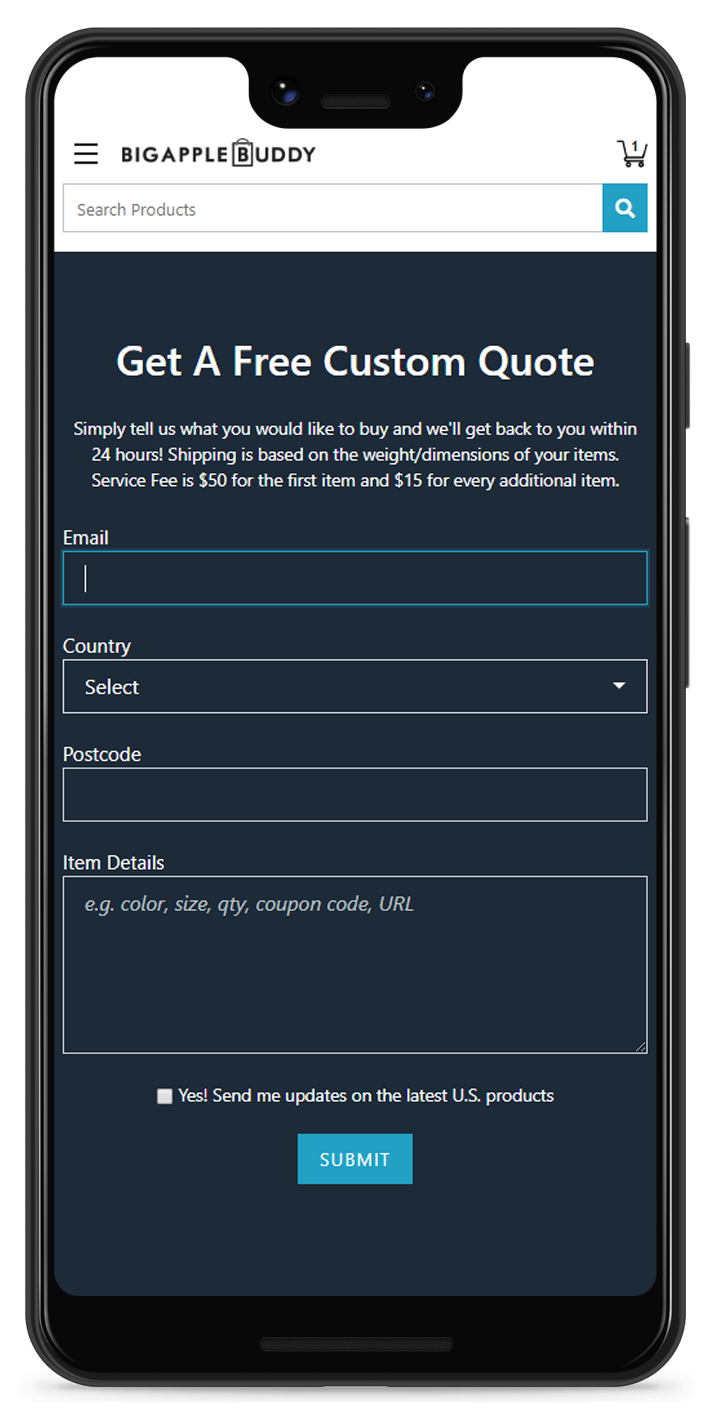
For those unwilling to compromise on the Fitbit Air's unique screenless design, the most viable path to ownership in the Middle East is through international sourcing. Since the Google Store does not ship to the GCC, and local retailers have not authorized distribution, Gulf buyers must utilize a third-party purchasing service. This involves ordering the device from a US retailer like Best Buy or the Google Store and having it shipped to a US address before forwarding it to the Middle East. Services such as Big Apple Buddy specialize in this exact workflow, allowing international customers to purchase from US stores and receive their products in the UAE, KSA, and other GCC nations.
Using a personal shopper or freight forwarder offers several distinct advantages over waiting for a local launch. First, you can secure the device immediately upon the US retail launch date of May 26, 2026, rather than waiting months for a potential regional restock. Second, you gain access to the full range of colorways, including the US-exclusive Obsidian, Porcelain, and Berry editions, which may never be officially imported. Finally, this method ensures you are purchasing a genuine US-spec device directly from authorized retailers, avoiding the risks associated with grey-market imports.
However, this path requires careful budgeting for landed costs. The $99.99 USD price tag is just the beginning. You must factor in international shipping fees, insurance, and customs duties. As of 2026, the UAE applies a 5% VAT plus 5% duty on imports over AED 300, while Saudi Arabia imposes a 15% VAT on all imports. Qatar and Kuwait do not have VAT but still apply a 5% customs duty. A typical landed cost for the Fitbit Air via this method could range from $140 to $170 USD, depending on the specific destination and shipping speed.
Navigating Customs, Taxes, and Warranty in the GCC
When importing the Fitbit Air into the Middle East, understanding the customs landscape is critical to avoiding unexpected fees. The regulatory environment varies significantly between the six GCC countries. In the United Arab Emirates, the Federal Tax Authority mandates a 5% VAT on imported goods. Additionally, the customs exemption threshold for courier shipments was lowered to AED 300 in 2023, meaning a $99.99 Fitbit Air shipment will almost certainly incur both the 5% duty and the 5% VAT upon arrival.
Saudi Arabia presents the highest tax burden. The Zakat, Tax and Customs Authority (ZATCA) applies a 15% VAT on all consumer electronics, regardless of the item's value. While there is a SAR 1,000 exemption for the 5% duty component on personal imports, the VAT is unavoidable. In contrast, Qatar and Kuwait have not yet implemented VAT, so importers there only face the 5% GCC common tariff. Bahrain and Oman apply a 5% VAT plus a 5% duty, similar to the UAE structure.
Warranty considerations are equally important. The Fitbit Air comes with a manufacturer's warranty valid in the US. If you import the device yourself, this warranty is generally honored only at the point of sale or through Google's international support, which may require shipping the device back to the US for repairs. This is a significant risk compared to buying from a local retailer like Sharaf DG, where warranty claims are processed locally. However, if you purchase through a reputable personal shopper service that provides a valid US receipt and handles the logistics, you retain the original warranty documentation. It is advisable to check if your chosen shipping service offers any additional insurance or warranty protection for international electronics.

Future Outlook: When Will the Fitbit Air Arrive in the Middle East?
The question of when the Fitbit Air will officially launch in the Middle East remains unanswered as of May 2026. Google has not issued a public statement regarding a MENA expansion for this specific device, unlike previous Fitbit launches where regional rollouts were announced alongside the US release. Historically, Fitbit's entry into the GCC market has been gradual, often relying on authorized distributors like Jarir in KSA or Sharaf DG in the UAE to bring products to shelf after an initial US debut. This suggests that an official launch could occur anywhere from 3 to 6 months after the US release, potentially pushing the arrival to late 2026 or early 2027.
The delay is likely driven by Google's broader strategy of selective geographic rollouts for its hardware ecosystem. Similar to the Pixel Watch, which took time to gain official distribution in the region, Google may be prioritizing markets with established operator partnerships or specific regulatory approvals before expanding to the GCC. Until an official announcement is made, any listings on Noon or Amazon.ae claiming to sell the Fitbit Air are likely to be grey-market imports, carrying higher prices and uncertain warranty status.
For consumers, the best approach is to monitor the official Google Store and regional retailers closely. If you need the device sooner than the potential official launch date, the international sourcing route via services like Big Apple Buddy remains the most reliable method to get a genuine Fitbit Air into your hands in Dubai, Riyadh, or Doha. This allows you to bypass the uncertainty of the local supply chain and enjoy the device's unique features without waiting for Google to finalize its Middle Eastern distribution strategy.