Understanding the Fitbit Air and Its Unique Market Position in KSA
The Fitbit Air represents a distinct shift in the wearable technology landscape, designed specifically for users who prioritize 24/7 health monitoring over screen-based interaction. Unlike the Fitbit Charge 6 or Versa 4, which are readily available in major Saudi retailers like Jarir and Microless, the Fitbit Air is a screenless device. This design choice eliminates the distraction of a display, focusing entirely on passive data collection for heart rate, sleep stages, and skin temperature trends. For Saudi buyers, this distinction is crucial because the device fills a niche that the Charge 6 cannot: it offers a "set it and forget it" experience with a battery life that extends up to seven days, free from the constant drain of an AMOLED screen.
However, the device's market availability presents a significant challenge for residents of Riyadh, Jeddah, and Dammam. As of the May 2026 launch window, Google has confirmed the Fitbit Air is exclusively a United States product. Searches on local platforms such as Amazon.sa, Noon, and the official Google Store reveal no listings for the wearable device, only the legacy Fitbit Aria Air smart scale. This absence means that Saudi consumers cannot purchase this device through traditional retail channels. The device is positioned as a low-profile alternative to premium smartwatches, but its absence from the local market requires a strategic approach to acquisition.
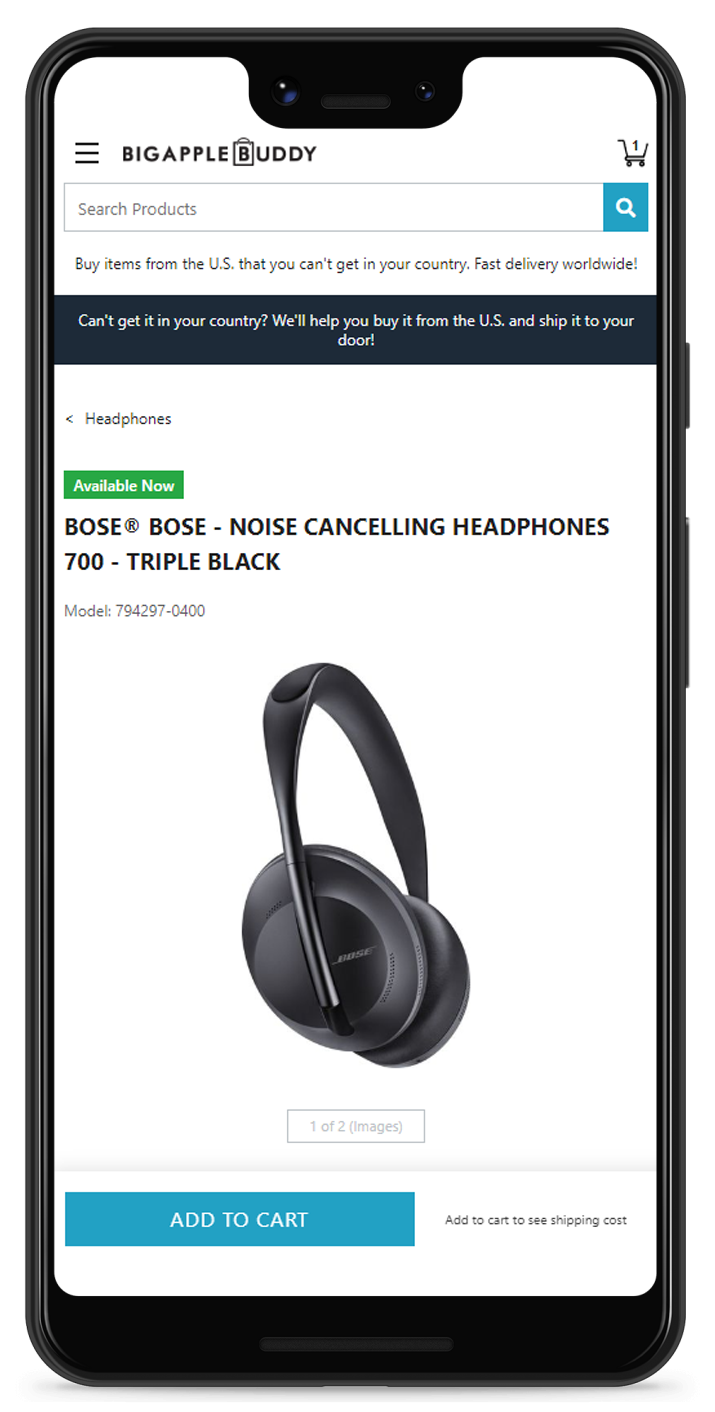
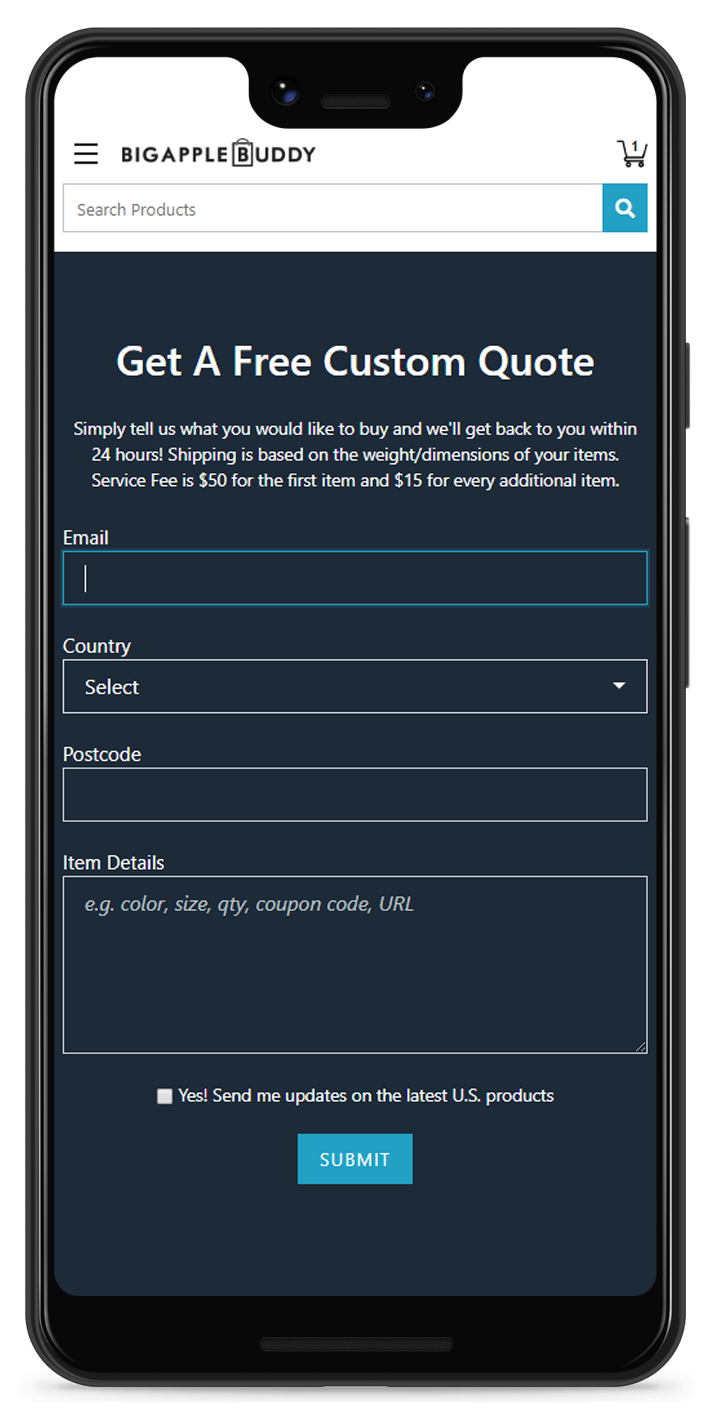
For international shoppers, including those in the Kingdom, acquiring this device often requires utilizing a personal shopping service that can bridge the gap between US retailers and local delivery. Services like Big Apple Buddy allow customers to purchase from Best Buy or the Google Store in the US and have the item shipped directly to their home in Saudi Arabia, effectively bypassing the regional availability restrictions. This path ensures that buyers can access the device at US MSRP rather than paying inflated prices on the grey market later.
Navigating Availability: The Import-Only Reality for Saudi Buyers
The primary hurdle for any Saudi consumer interested in the Fitbit Air is the lack of official distribution in the Kingdom. Unlike the Fitbit Charge 6, which is widely stocked and supported by local warranty networks, the Fitbit Air is currently an import-only item. This situation is typical for new Google hardware launches that prioritize the US market first. If you attempt to find the Fitbit Air on local e-commerce sites today, you will likely encounter only older models or the Fitbit Aria Air scale, leading to confusion about product availability. The device will not appear on shelves in Saudi Arabia until 4 to 12 weeks after the US launch, and even then, it may only be available through grey-importers at a significant markup.
To secure the device at its intended price point, buyers must look beyond local borders. The most reliable method is to utilize a US-based personal shopper or forwarder. These services provide a US shipping address, allowing you to purchase the Fitbit Air from Best Buy, Amazon US, or the Google Store using your preferred payment method. The service then handles the international logistics, shipping the sealed unit to your address in Saudi Arabia. This approach is particularly important for those who want to avoid the 25-45% price premiums often seen on grey-market imports.
It is also vital to manage expectations regarding the timeline. The Fitbit Air officially began shipping from US retailers on May 26, 2026. Consequently, even if you place an order immediately, you will not receive the device until late May or early June 2026. Adding the 7-14 days required for international transit from the US to Saudi Arabia, the realistic delivery window for the first batch of devices in Riyadh or Jeddah is the first or second week of June. Patience is essential, as pre-ordering today guarantees a shipment date that is weeks away.
AVAILABLE FROM BIG APPLE BUDDY
Fitbit Air
We buy it in the U.S. and ship it to your door in 75+ countries.
BUY THIS NOW

Cost Breakdown: Pricing, Customs, and ZATCA Tax Implications
When importing the Fitbit Air into Saudi Arabia, the final cost is significantly higher than the US sticker price due to customs duties and Value Added Tax (VAT). The standard Fitbit Air retails for $99.99 USD, while the Stephen Curry Special Edition is $129.99. However, the landed cost in Saudi Arabia involves several layers of fees. First, you must account for international shipping, which typically ranges from $25 to $45 depending on the courier service used. Second, you must consider the Saudi Arabian customs regulations enforced by the ZATCA authority.
Under current ZATCA regulations, there is a SAR 1,000 de minimis threshold. Since the Fitbit Air is valued well below this limit, the 5% GCC common external tariff (duty) is waived. However, this exemption does not apply to VAT. A 15% VAT is applied to the sum of the product cost, shipping, and insurance (CIF value). Additionally, a fixed customs services fee of SAR 15 is charged for processing low-value shipments. For a standard Fitbit Air, the total landed cost will be approximately SAR 575 to SAR 700, depending on the shipping carrier and current exchange rates.
Below is a breakdown of the estimated costs for the standard model:
- Device Price: $99.99 USD (approx. SAR 375)
- International Shipping: $35 USD (approx. SAR 131)
- Customs Services Fee: SAR 15
- VAT (15% on CIF): Approx. SAR 75
- Total Estimated Cost: ~SAR 596
It is crucial to declare the device honestly at its US retail price to avoid delays or penalties. While some travelers might attempt to carry the device in their luggage to avoid VAT, this only applies to personal baggage under SAR 3,000. E-commerce imports via forwarders are treated as commercial shipments, making VAT unavoidable.
Payment Methods and Technical Setup for Saudi Users
One of the most common technical barriers for Saudi residents attempting to purchase from US retailers like Best Buy or the Google Store is payment processing. Many KSA-issued Mada debit cards fail international merchant address verification checks, as these systems often reject cards with non-US billing addresses. To successfully complete a purchase for the Fitbit Air, it is highly recommended to use a Visa or Mastercard credit card issued by major Saudi banks such as SNB, Al Rajhi, or Riyad Bank. Alternatively, using a personal shopper service like Big Apple Buddy can simplify this process by allowing you to pay in SAR via Mada or STC Pay, while they handle the transaction on your behalf in the US.
Once the device arrives in Saudi Arabia, the setup process is straightforward but requires attention to regional settings. The Fitbit Air is compatible with both Android and iOS, unlike the Pixel Watch which is Android-only. Users should download the Google Health app from the Saudi region store (App Store or Google Play Store). The app supports Arabic language interfaces, ensuring that all health insights, including heart rhythm monitoring and sleep stages, are presented in a language familiar to the user. The device will automatically pair via Bluetooth, and upon activation, you will be offered a three-month trial of Google Health Premium.
It is important to note that while the device supports Arabic UI, the warranty coverage remains a point of contention. Google's standard one-year limited warranty is region-bound. An imported unit is generally covered only via return-to-US service, meaning any warranty claims would require shipping the device back to the United States. This is a trade-off for accessing the device at a lower price point before a potential regional launch. Users should weigh the convenience of local warranty support against the savings of importing the device.

Comparing Fitbit Air to Local Alternatives: Is It Worth the Import?
For Saudi buyers, the decision to import the Fitbit Air often comes down to comparing it against devices that are already available on local shelves. The most direct competitor is the Fitbit Charge 6, which is widely available in Riyadh and Jeddah for approximately SAR 599-799. The Charge 6 offers a 1.04-inch AMOLED touchscreen, built-in GPS, and ECG capabilities, features the Air completely lacks. If you need on-wrist notifications, GPS for outdoor runs, or a display to glance at, the Charge 6 is the superior choice. However, the Air is designed for a different user: those who want a screenless band that lasts a full week and costs a fraction of the price.
Another local alternative is the Fitbit Versa 4, priced around SAR 749-899. The Versa 4 is a full smartwatch replacement with a larger display and app ecosystem. The Air, conversely, is a wellness tracker that forces you to engage with your data through the app rather than a screen. For iPhone users in KSA, the Air also offers a compelling alternative to the Apple Watch SE 2, which requires daily charging and is locked to the Apple ecosystem. The Air provides 7-day battery life and cross-platform compatibility.
| Feature | Fitbit Air (Import) | Fitbit Charge 6 (Local) | Apple Watch SE 2 (Local) |
|---|---|---|---|
| Display | None (Screenless) | 1.04" AMOLED Touchscreen | Retina OLED Display |
| Battery Life | Up to 7 Days | Up to 7 Days | Up to 18 Hours |
| GPS | Connected (Phone GPS) | Built-in GPS | Built-in GPS |
| Price (Est. Landed) | SAR 600-700 | SAR 599-799 | SAR 999-1,099 |
| Warranty | US Return Only | Saudi Local Warranty | Saudi Local Warranty |
The Fitbit Air is a niche product for the Saudi market. It is the ideal choice for users who find screens distracting and prioritize sleep tracking and heart health over smartwatch features. If you can navigate the import process and accept the lack of local warranty, the Air offers a unique value proposition that local devices cannot match due to the presence of a screen and associated battery drain.