The Current Availability Reality for UAE Buyers
As of May 9, 2026, the landscape for purchasing the Fitbit Air in the United Arab Emirates is defined by a distinct absence. While the device has officially launched in the United States, United Kingdom, and select European and Asian markets, the UAE is conspicuously missing from Google's confirmed launch geography. This means that if you search Amazon.ae, Noon UAE, or visit major local retailers like Sharaf DG and Virgin Megastore, you will not find a listing for the Fitbit Air. The device is currently unavailable for direct purchase in AED, and no official UAE distributor has announced a local retail launch date.
This gap creates a specific challenge for health-conscious consumers in Dubai, Abu Dhabi, and Sharjah who want access to Google's most affordable and discreet health tracker immediately. The Fitbit Air is designed as a screenless, pill-shaped device that prioritizes 24/7 health monitoring over smart notifications, making it an attractive option for those who find traditional smartwatches too distracting. However, without local stock, the only viable path for immediate acquisition is through international procurement channels. Big Apple Buddy serves as a critical bridge for these international shoppers, offering a secure method to purchase the device from US retailers like Best Buy and the Google Store, and then ship it directly to the UAE.
It is crucial to understand that the launch delay is strategic rather than logistical. Google has not yet appointed an authorized reseller for the GCC region. Historically, Fitbit hardware reaches the UAE 6 to 12 months after the US launch, often entering via Amazon.ae and Noon after the initial hype has subsided. For buyers who cannot wait, the import route is the only option, but it requires navigating a new set of variables including customs duties, VAT, and shipping timelines that do not apply to standard local purchases.
Understanding the True Landed Cost in AED
One of the most common misconceptions for UAE buyers is assuming the USD $99.99 MSRP translates directly to an AED price. When importing the Fitbit Air into the UAE, the final cost is significantly higher due to the cumulative effect of service fees, international shipping, customs duties, and VAT. To make an informed decision, you must calculate the landed cost—the total amount you will pay once the device is sitting on your doorstep in Dubai.
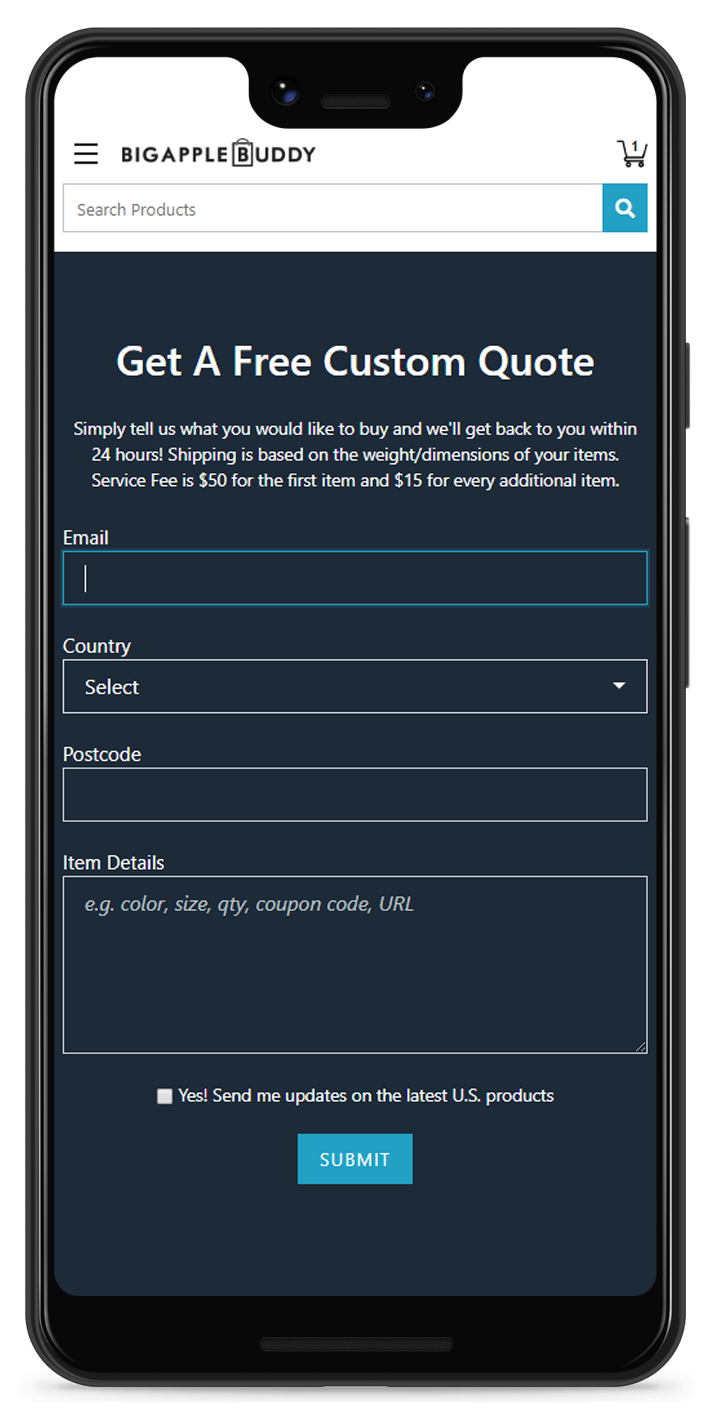
The breakdown of this cost involves several layers. First, you must account for the device price itself, which is approximately AED 367 at the current exchange rate. Next, you add the service fee charged by the concierge service, typically around USD 50 (approx. AED 183) for the procurement and handling of the pre-order. Then, you must factor in international shipping via FedEx or UPS, which generally ranges from USD 25 to USD 60 depending on the speed of delivery and package weight. Finally, the UAE government applies a 5% customs duty on the CIF (Cost, Insurance, and Freight) value, followed by a 5% VAT on the cumulative total of the item value plus the duty. This results in an effective tax rate of roughly 10.25% on the imported value.
When you sum these components, the realistic all-in cost for a standard Fitbit Air lands between AED 750 and AED 850. This is a substantial premium over the local price of the Fitbit Charge 6, which retails for around AED 800-900 in the UAE. However, if your primary goal is the screenless form factor and the specific health metrics the Air offers (like skin temperature tracking without the distraction of a display), the premium may be justified. Big Apple Buddy simplifies this process by providing a transparent quote that includes all these variables upfront, ensuring there are no surprise fees upon delivery.
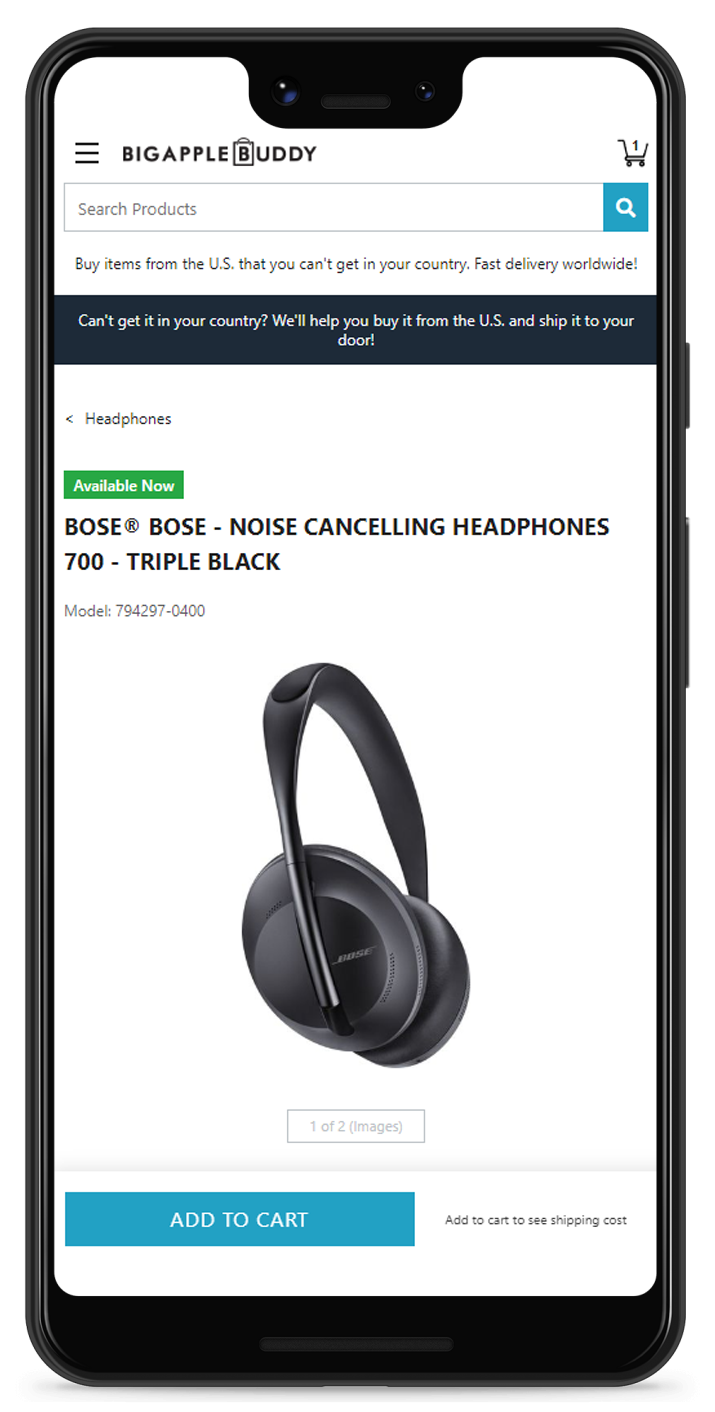
AVAILABLE FROM BIG APPLE BUDDY
Fitbit Air
We buy it in the U.S. and ship it to your door in 75+ countries.
BUY THIS NOW

Comparing Fitbit Air to Local Alternatives
Before committing to the import route, it is essential to weigh the Fitbit Air against the devices that are currently available in the UAE market. The local ecosystem is dominated by the Fitbit Charge 6 and the Fitbit Versa 4, along with the Apple Watch SE for iPhone users. Understanding the trade-offs is critical because the Fitbit Air sacrifices several features that are standard on these local alternatives.
The Fitbit Charge 6, available on Amazon.ae and Noon, offers a color AMOLED display, onboard GPS for outdoor running without a phone, ECG monitoring, and Google Wallet for contactless payments. If you are an outdoor runner or need to leave your phone at home during a workout, the Charge 6 is the superior choice. The Fitbit Air lacks onboard GPS and a screen, meaning it relies entirely on your paired phone for location tracking and notifications. Conversely, the Fitbit Air excels in battery life consistency (up to 7 days) and comfort due to its ultra-lightweight, pill-shaped design that can be worn in bands or even on the ankle.
For iPhone users, the Apple Watch SE is a strong competitor, offering a full smartwatch experience with LTE options and the App Store. However, it requires daily charging and costs significantly more (AED 950+). The Fitbit Air is a dual-platform device (Android and iOS) that focuses purely on health data. Below is a comparison of the key factors for UAE buyers:
- Display: Charge 6 (Color AMOLED) vs. Air (None) vs. Versa 4 (Color AMOLED).
- GPS: Charge 6 (Onboard) vs. Air (Phone-dependent) vs. Versa 4 (Onboard).
- Battery Life: Air (Up to 7 days) vs. Charge 6 (Up to 7 days but heavier) vs. Apple Watch SE (1 day).
- Form Factor: Air (Pill-shaped, hidden) vs. Others (Standard band or watch face).
- Local Warranty: Charge 6/Versa (Available) vs. Air (Imported, requires US return).
The decision ultimately comes down to whether you prioritize the convenience of a screen and GPS (Charge 6) or the minimalism and extended battery life of the screenless tracker (Air).
Strategic Sourcing and Delivery Timelines
For those determined to acquire the Fitbit Air before an official UAE launch, the timing and sourcing strategy are paramount. The device is not yet in physical circulation globally; the first retail ship date is set for May 26, 2026. This means that no matter where you order from, you cannot receive the device before this date. The pre-order phase is active, and securing your unit now guarantees priority handling once the stock hits the warehouse.
The recommended workflow for UAE buyers involves using a US-based personal shopper service. You would place a pre-order with a retailer like Best Buy or the Google Store US, utilizing a service like Big Apple Buddy to manage the transaction. This service acts as your proxy, purchasing the item in the US and then arranging for it to be shipped to the UAE via FedEx or UPS. The timeline for delivery is realistic but requires patience: expect the device to ship from the US around May 26, arrive in the UAE within 2-5 business days, and then undergo customs clearance which typically takes 1-3 additional days. Consequently, the earliest you can expect to hold the device is the first week of June 2026.
When ordering, you must be mindful of color availability. The launch colors include Obsidian, Lavender, and Berry, but stock levels vary. The Stephen Curry Special Edition is a limited release and may be harder to secure. It is also important to note that warranty coverage for the Fitbit Air is generally tied to the country of purchase. This means if the device has a factory defect, you would likely need to return it through the US retailer via your shipper, rather than claiming it at a local service center in Dubai. This is a significant consideration for buyers who value the convenience of local support.

Future Outlook and Official GCC Distribution
While the current situation requires importing, it is highly probable that the Fitbit Air will eventually receive an official launch in the UAE and the wider GCC region. Google and Fitbit have a history of rolling out their hardware to the Middle East 6 to 12 months after the initial US debut. Previous models like the Charge 6 and Versa 4 followed this exact trajectory, eventually becoming available through authorized resellers like Sharaf DG, Virgin Megastore, and Jumbo Electronics.
Waiting for an official launch has distinct advantages. An official release would likely result in a more competitive AED price point as import duties and shipping costs are absorbed or optimized by the local distributor. More importantly, an official launch would come with local warranty coverage, ensuring that any repairs or replacements can be handled within the UAE without the need for international shipping. For buyers who are not in a rush, waiting for an Amazon.ae or Noon listing is the most prudent financial and logistical strategy.
However, for those who want the specific features of the Fitbit Air immediately—such as the unique pill-shaped design or the specific health tracking capabilities that differentiate it from the Charge 6—the import route remains the only option. As the market evolves, keep an eye on regional tech news outlets like Gadgets Middle East for announcements regarding the GCC launch. Until then, the combination of US pre-orders and international concierge services provides a viable, albeit more expensive, pathway to owning this innovative health tracker.