Getting Your Meta Ray-Ban Display Delivered to South Africa
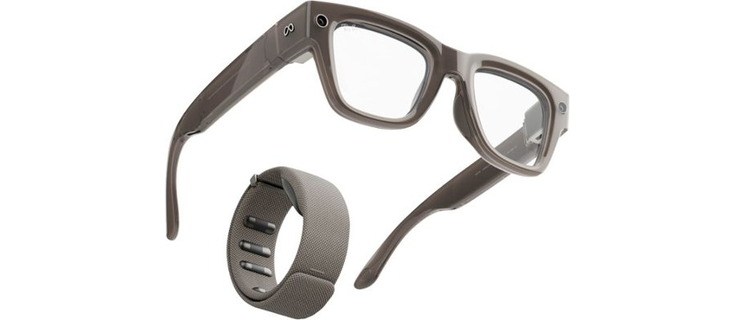
For tech enthusiasts in South Africa, the Meta Ray-Ban Display represents the pinnacle of smart eyewear innovation. While this advanced device is not yet officially available through local retailers like Takealot or specialist electronics stores in Johannesburg and Cape Town, obtaining it is entirely possible. The key lies in utilizing a reliable US-based shopping and shipping service that can bridge the gap between American retailers and South African doorsteps.
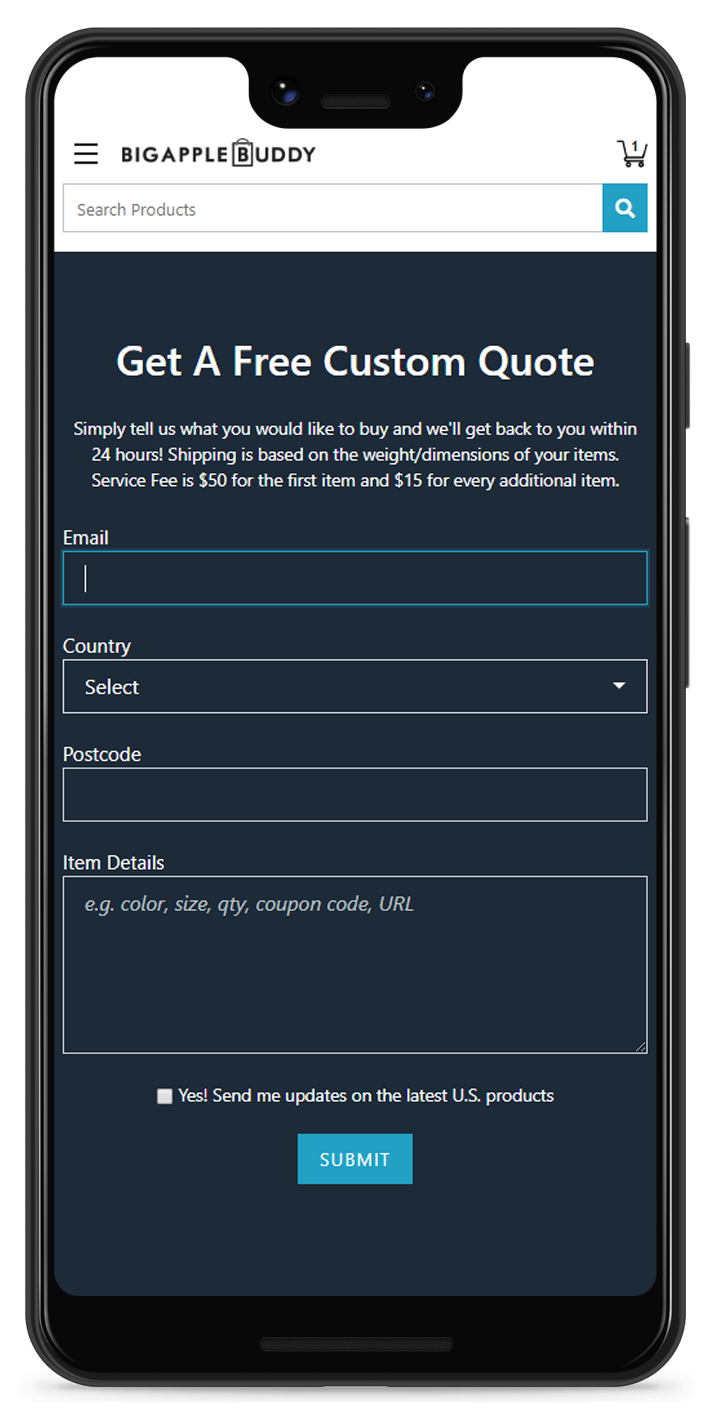
Currently, the Meta Ray-Ban Display is exclusively sold at select US locations, including Best Buy, LensCrafters, and Ray-Ban Stores. To acquire this device, you do not need to travel to the United States or rely on informal shipping networks. Instead, you can engage a specialized service like Big Apple Buddy to handle the entire purchasing process on your behalf. This service acts as your personal shopper in the US, purchasing the item directly from Best Buy and managing the complex logistics of international freight.
Why Direct Import is Necessary
The Meta Ray-Ban Display was launched in the United States in September 2025 and was not included in the initial international expansion phases that paused in early 2026. Consequently, there are no official Meta or Ray-Ban service centers in South Africa that stock or support this specific model. Local alternatives, such as the standard Ray-Ban Meta Gen 2 available for around R10,745, lack the revolutionary in-lens display and Neural Band features. For South Africans demanding the full capabilities of the Display model, importing from the US is the only viable path.
By using a service like Big Apple Buddy, you bypass the hurdles of international ordering. You do not need a US credit card, a US address, or knowledge of US retail policies. The service purchases the item at the standard US retail price of $799, consolidates it, and arranges professional international shipping to your home or office in South Africa.
Shipping Routes, Delivery Times, and Customs Clearance
Once your order is placed and processed by the US shopping service, the journey to South Africa is streamlined through established logistics networks. The most common carriers for this route are DHL Express, FedEx, and UPS. These couriers have robust networks in South Africa, with major hubs in Johannesburg (OR Tambo) and Cape Town, ensuring that your package can be tracked and delivered reliably.
Typical Delivery Timeline
Express international shipping from the United States to South Africa typically takes between 2 to 6 business days once the package leaves the US. This rapid delivery is a significant advantage for South African buyers who want the latest technology without waiting months for a potential local release. The courier will handle the transport, and upon arrival, they will manage the customs clearance process on your behalf.
Understanding Customs and SARS Procedures
South Africa's customs regulations, enforced by the South African Revenue Service (SARS), require that all imported goods be declared. As of September 2024, SARS has updated its procedures to phase out low-value consignment relief, meaning all imports are subject to standard customs duties and taxes. For the Meta Ray-Ban Display, this process is straightforward.
Consumer electronics, including smart glasses, generally attract a 0% customs duty rate in South Africa. This is a favorable classification for your purchase. However, you will be liable for Value Added Tax (VAT) on the import. The standard VAT rate is 15%, calculated on the Cost, Insurance, and Freight (CIF) value of the goods. This means the tax is applied to the product price plus shipping and insurance costs. The courier handling your delivery (DHL, FedEx, or UPS) will collect these fees upon delivery, typically adding a small administrative handling fee for processing the customs declaration.
It is important to note that the service you use to buy the item will handle the initial export documentation, while the courier manages the import clearance. You simply need to be prepared to pay the assessed taxes and fees to receive your package.
Total Cost Breakdown: What to Budget in South African Rand
For South African buyers, understanding the total landed cost is crucial before committing to the purchase. The retail price of the Meta Ray-Ban Display is $799 USD. When converting this to South African Rand (ZAR), the exchange rate fluctuates, but assuming a rate of approximately 18.5 ZAR per USD (as of March 2026), the base product cost is roughly R14,800.
Beyond the product price, you must account for international shipping, import taxes, and service fees. Here is a realistic estimate of the total cost breakdown:
| Cost Component | Estimated Amount (ZAR) | Notes |
|---|---|---|
| Product Price (USD $799) | R14,800 | Base retail price |
| Express International Shipping | R1,500 - R3,000 | Via DHL, FedEx, or UPS |
| Import VAT (15% on CIF) | R2,400 - R2,700 | Calculated on price + shipping |
| Courier Handling Fee | R200 - R400 | Customs clearance admin fee |
| Service Fee (Big Apple Buddy) | Varies | Purchase and consolidation fee |
| Total Estimated Cost | R19,000 - R22,000+ | Excluding service fee |
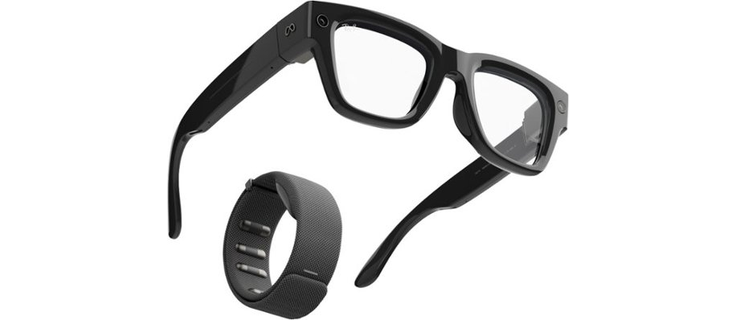
While this total is significantly higher than the local price of the standard Ray-Ban Meta glasses (R10,745), the value proposition lies in the unique features of the Display model. The in-lens display, Neural Band for gesture control, and live translation capabilities are not available in any other product currently sold in South Africa. Competitors like XREAL AR glasses (priced around R7,000-R10,000) serve as media viewing devices but lack the AI integration and everyday wearability of the Ray-Ban Display.
Local Compatibility, Power, and Warranty Considerations
Before importing, South African buyers should consider practical aspects of ownership, including power compatibility, software support, and warranty coverage. The good news is that the Ray-Ban Display is designed with global usability in mind, minimizing friction for international users.
Power and Charging
The Meta Ray-Ban Display charges via a standard USB-C connection. South Africa uses Type M (large three-prong) and Type C (two-prong European) power outlets operating at 230V. The US power adapter included in the box (Type A) will not fit South African sockets. However, you do not need a voltage converter. USB-C chargers are universally multi-voltage (supporting 100-240V), so you can simply use a standard USB-C wall charger available at any South African electronics retailer like Takealot, Incredible Connection, or local computer shops. A simple plug adapter is all that is needed to convert the US plug to the South African Type M or C socket.
Software and App Support
The Meta View app, which controls the glasses and manages the Neural Band, is available for both iOS and Android devices in South Africa. You can download it directly from the Apple App Store or Google Play Store. While the standard Ray-Ban Meta features are supported in South Africa, you should verify that all advanced AI features of the Display model function correctly in your region. Meta generally supports South Africa for its AI features, but specific capabilities may vary. Additionally, the live translation feature is particularly relevant for South Africa's multilingual society, offering potential utility for cross-language communication in business and social settings.
Warranty and Load Shedding Resilience
It is important to note that Meta's US warranty policy typically does not extend to South Africa. There is no local Meta or Ray-Ban service center authorized to handle repairs for the Display model. Any warranty claims would need to be managed through the US, which could be complex for a device of this nature. However, the device itself is built to be resilient. With a battery life of up to 6 hours of mixed use and an additional 30 hours from the charging case, the Ray-Ban Display is well-suited to South Africa's power challenges. It can easily last through typical load shedding periods without interruption.