Model Identity: Zenbook A16 vs. Zenbook SORA 16 in the Japanese Market
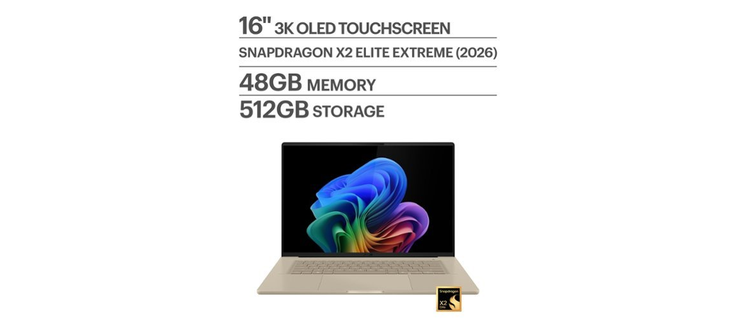
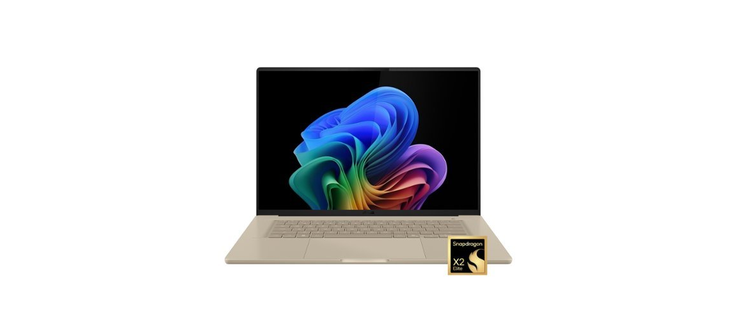
For enthusiasts tracking the ASUS Zenbook A16 equipped with the Snapdragon X2 Elite Extreme processor and 48GB of RAM, the Japanese market presents a unique nomenclature challenge. While the device is marketed globally as the Zenbook A16 in the United States, ASUS Japan rebrands this specific hardware platform as the ASUS Zenbook SORA 16. Despite the different name, the core architecture remains identical. The Japanese model, identified by the SKU UX3607OA-GL481BE, features the same 16-inch 3K OLED 120Hz touchscreen, 48GB LPDDR5X-9523 memory, and 1TB NVMe SSD found in the US Best Buy listing.
Key Hardware Parallels
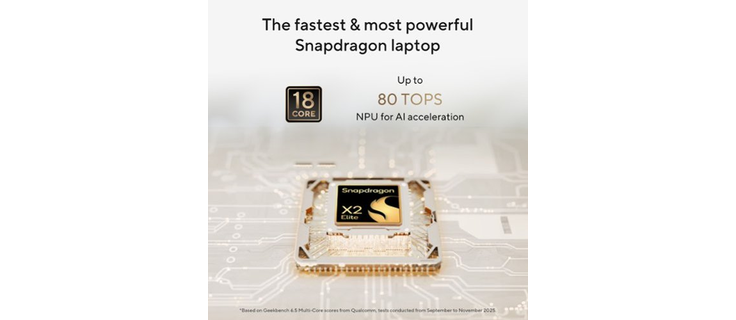
The distinction between the two market versions lies primarily in the processor variant and the operating system configuration. The US model typically ships with the Snapdragon X2 Elite Extreme X2E96100 (18-core, 5.0GHz boost) paired with Windows 11 Pro. In contrast, the Japan-market SORA 16 often utilizes the slightly lower-clocked X2E-94-100 variant (4.7GHz boost) and comes pre-installed with Windows 11 Home. While the performance gap is marginal for most users, the OS difference is significant for power users requiring BitLocker management and Remote Desktop capabilities.
Both models share the same physical chassis, weighing in at 1.2 kg and featuring the distinctive Zabriskie Beige finish. The display specifications are identical, offering 2880x1800 resolution with 1100 nits peak brightness. This confirms that the hardware foundation is the same, making the choice between the two versions a matter of regional pricing, software edition, and keyboard layout preferences.
Price Dynamics: US Retail vs. Japanese Street Prices
Understanding the pricing landscape is crucial for international buyers. The ASUS Zenbook A16 (48GB/1TB) retails at Best Buy in the US for $1,699.99. At an exchange rate of approximately 155 JPY/USD, this converts to roughly 263,500 JPY. However, purchasing this device within Japan presents a different financial reality. The Japan-market ASUS Zenbook SORA 16 (UX3607OA-GL481BE) typically lists between 293,463 JPY and 369,800 JPY depending on the retailer and whether Microsoft Office is bundled.
Price Comparison Breakdown
The following table illustrates the price disparity between the US and Japanese markets for the equivalent high-spec configuration:
| Market | Model Variant | Base Price (JPY) | Notes |
|---|---|---|---|
| US (Best Buy) | Zenbook A16 (X2E96100, Win 11 Pro) | ~263,500 | US QWERTY, No Office included |
| Japan (Joshin/Yamada) | Zenbook SORA 16 (X2E-94100, Win 11 Home) | 293,463 | Street price, JIS Keyboard |
| Japan (ASUS Store) | Zenbook SORA 16 + Office Bundle | 369,800 | Inclusive of MS Office, JIS Keyboard |
As evident, buying locally in Japan costs between 11% and 40% more than the US list price. This premium is driven by regional pricing strategies, the inclusion of bundled software in higher tiers, and local retail margins. For buyers seeking the US configuration with Windows 11 Pro and the QWERTY layout, the US price point is significantly more attractive, provided one can navigate the import process.
AVAILABLE FROM BIG APPLE BUDDY
ASUS Zenbook A16 Snapdragon X2 Elite Extreme 48GB Japan
We buy it in the U.S. and ship it to your door in 75+ countries.
BUY THIS NOW
Navigating Imports: Duties, Taxes, and Logistics
For Japanese residents considering importing the US model, understanding the customs landscape is essential. Laptops fall under HS Code 8471.30, which carries a 0% import duty in Japan. This means there is no tariff on the hardware itself. However, the Japan Consumption Tax (JCT) of 10% applies to all imported goods exceeding the 10,000 JPY duty-free threshold. Since the Zenbook A16 far exceeds this limit, the 10% tax is calculated on the CIF (Cost, Insurance, and Freight) value.
Calculating the Landed Cost
When importing via a service like Big Apple Buddy, which sources from US retailers and ships globally, the total cost includes the product price, service fees, and shipping. For a $1,699.99 unit, the 10% JCT adds approximately 28,000 to 35,000 JPY to the final bill. When combined with international shipping and handling fees, the total landed cost typically ranges from 290,000 to 320,000 JPY. While this is still competitive compared to the local Japan price of 369,800 JPY (Office bundle), it narrows the gap against the base Japan street price of 293,463 JPY.
Additionally, power compatibility is a non-issue. The US model ships with a 130W power adapter that supports 100-240V AC, making it fully compatible with Japan's 100V grid. Buyers may only need a simple physical plug adapter, as the device handles voltage conversion internally.
Critical Considerations: Keyboard, Warranty, and Software
Beyond price and availability, the physical and software configuration of the device dictates the user experience. The most immediate difference is the keyboard layout. The US Best Buy model features a standard US QWERTY layout, whereas the Japanese SORA 16 uses the JIS (Japanese Industrial Standards) layout. For users who type primarily in English, the US model is superior. However, for those who need Japanese character input, the JIS layout offers dedicated keys and shortcuts that the US model lacks.
Software and Warranty Implications
- Operating System: The US model ships with Windows 11 Pro, offering advanced enterprise features. The Japan model typically includes Windows 11 Home. While Windows 11 supports Japanese language packs, the underlying OS version differs.
- Warranty Coverage: ASUS offers an international limited warranty, but service protocols vary. Service for US-purchased units in Japan may require mail-in repairs to the US or specific authorized centers that may not accept non-Japan units for in-person service. It is advisable to verify the specific warranty terms before importing.
- Software Compatibility: The Snapdragon X2 Elite ARM architecture handles x86 emulation well, but some older, kernel-level Japanese software may face compatibility issues. Most major applications like Microsoft Office, Adobe Creative Cloud, and LINE run natively or via emulation without significant friction.
For international customers unable to source this specific configuration locally, services like Big Apple Buddy provide a viable pathway to acquire the US-spec model, ensuring access to the desired hardware specifications that may not be available in the domestic market.
Strategic Sourcing: Why Buy the US Model in Japan?
Despite the availability of the Zenbook SORA 16 in Japan, there are compelling reasons for Japanese consumers to seek out the US-spec ASUS Zenbook A16. The primary driver is the Windows 11 Pro operating system. In Japan, the Pro edition is often a separate, costly upgrade or unavailable in standard retail bundles. The US model includes Pro features out of the box, which are essential for business professionals and advanced users.
The Value Proposition
Furthermore, the Snapdragon X2 Elite Extreme X2E96100 in the US model offers a slightly higher single-core boost clock (5.0GHz) compared to the 4.7GHz found in the Japan variant. While the difference is subtle, it ensures the device is future-proofed for peak performance tasks. The 48GB RAM configuration is also a standout feature, as many Japanese competitors at similar price points, such as the LG Gram 16 or Lenovo Yoga Slim 7x, are limited to 32GB RAM.
For those willing to navigate the import process, the US model represents a superior specification-to-price ratio. The combination of higher clock speeds, Pro-level OS, and the absence of the JIS keyboard layout makes it the preferred choice for tech-savvy users who prioritize performance and software flexibility over local warranty convenience.