The Core Challenge: Direct Shipping Restrictions for German Buyers
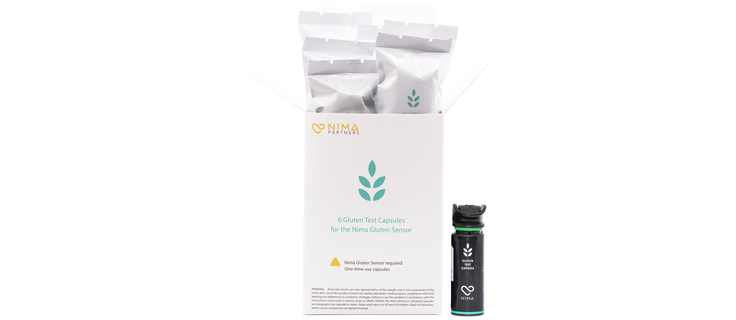
For individuals in Germany relying on the NIMA Gluten Sensor for dietary management, the primary barrier is not the performance of the device, but the logistics of acquiring its consumables. NIMA Partners, the manufacturer of the NIMA Gluten Sensor and its refill capsules, maintains a strictly limited shipping footprint. Their official shipping policy explicitly states that they ship only to the United States, Canada, and Singapore. This geographical restriction means that a German consumer cannot simply add the NIMA Gluten Capsules 6-Pack to their cart and expect a DHL or Deutsche Post delivery from the manufacturer.
While NIMA previously explored European distribution through a partnership with the allergy company ALK in 2018, that channel has since dissolved. The former European portal, klarify.me, now redirects to a general allergy information site, leaving no direct retail avenue for German customers. Consequently, the burden of international logistics falls entirely on the buyer. This creates a complex landscape where consumers must navigate third-party logistics, import regulations, and potential warranty limitations.
It is crucial for German buyers to understand that bypassing these direct shipping restrictions requires using international forwarding services. While some global retailers offer worldwide delivery, niche medical and health monitoring devices often remain region-locked. For those determined to use the NIMA system, accessing the product often means relying on specialized forwarding agents who can purchase from authorized US retailers and handle the cross-border transport. This reality underscores the importance of understanding the full landed cost and legal implications of importing these test kits into the European Union.
Navigating EU Customs and Import Duties Post-2026
Importing the NIMA Gluten Capsules 6-Pack into Germany is subject to evolving European Union customs regulations. A significant shift occurred on July 1, 2026, when the EU abolished the duty-free allowance for low-value consignments up to 150 EUR. Previously, many small packages entered Germany without customs duties. Today, this exemption is gone, replaced by a new temporary framework that impacts how you pay for imports.
The New Flat Duty Structure
Under Council Regulation (EU) 2026/382, which is in effect until July 1, 2028, all distance-sale consignments into the EU valued at up to 150 EUR are subject to a flat customs duty of 3 EUR per item. This fee is calculated based on the tariff classification of the goods, not the number of units. Therefore, a single box of six capsules is considered one item, incurring a fixed 3 EUR duty. This simplifies the calculation but adds a mandatory cost layer that did not exist in previous years.
Import VAT (Einfuhrumsatzsteuer)
In addition to the flat duty, Germany applies its standard 19% Import VAT (Einfuhrumsatzsteuer) on the total value of the import. This value is calculated as the sum of the goods' cost, international shipping fees, and the customs duty itself. For a 6-pack priced at approximately 64.25 EUR (converted from 72.00 USD), the base VAT calculation would be roughly 12.78 EUR on the goods and duty alone, before adding shipping costs to the taxable base. Understanding this formula is essential for budgeting, as the final cost at the German border can significantly exceed the retail price in the US.
| Cost Component | Calculation Basis | Approximate Cost (EUR) |
|---|---|---|
| Product Price | 72.00 USD (~64.25 EUR) | 64.25 |
| Flat Customs Duty | Fixed per item category | 3.00 |
| Import VAT (19%) | (Goods + Duty + Shipping) × 0.19 | ~12.78+ (excl. shipping) |
German consumers must also account for carrier handling fees. If the package is delivered by DHL, they may charge an Auslagepauschale of 7.50 EUR for advancing the import charges. This fee is waived only if VAT was already paid via the IOSS scheme at checkout or if the package is collected directly at the customs office (Zollamt).
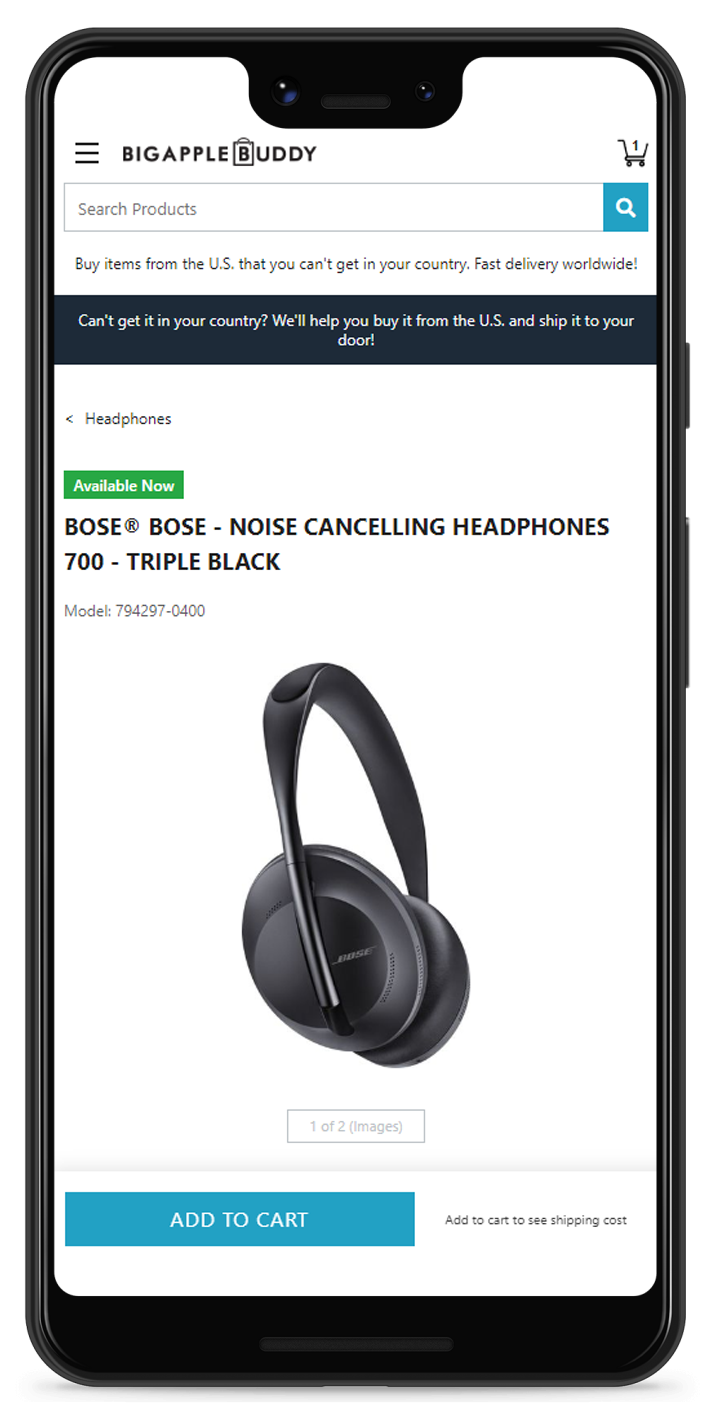
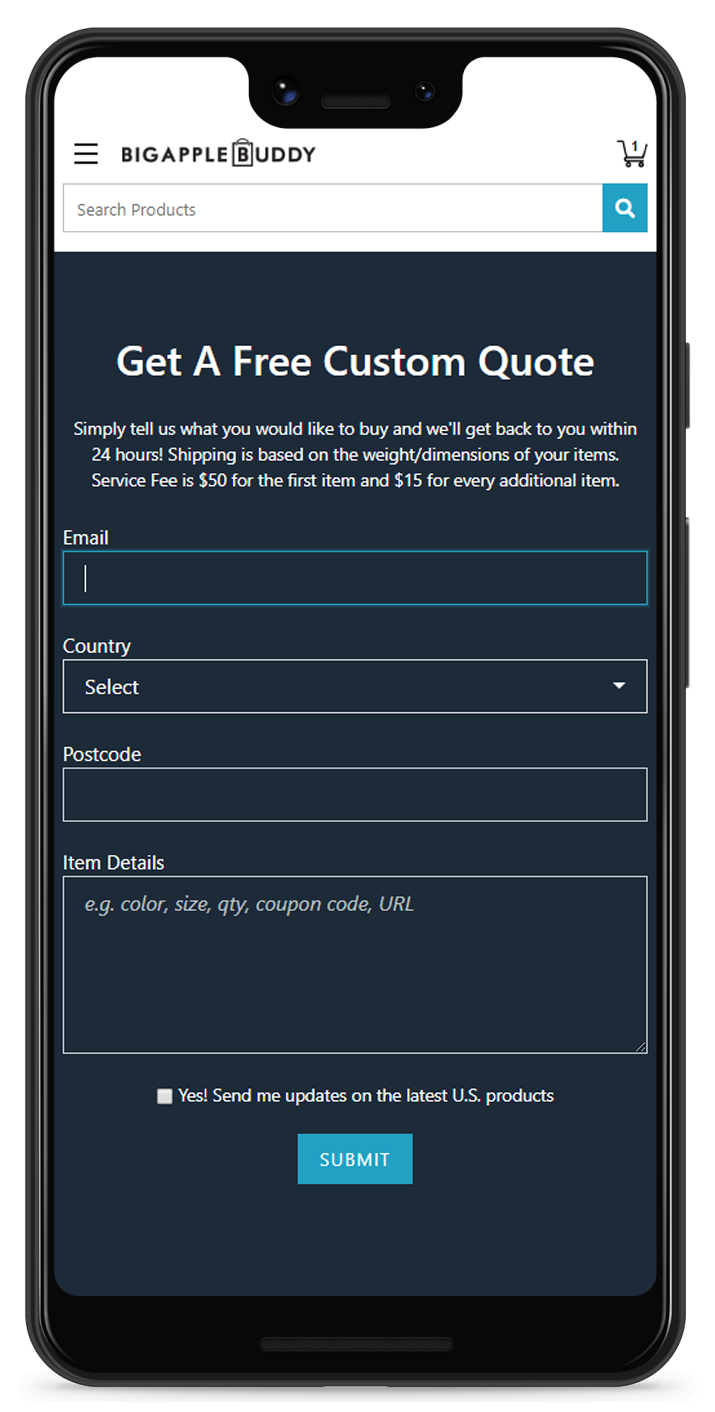
AVAILABLE FROM BIG APPLE BUDDY
NIMA Gluten Capsules 6-Pack (Refill Test Capsules for the NIMA Portable Gluten Sensor)
We buy it in the U.S. and ship it to your door in 75+ countries.
BUY THIS NOW
Procurement Strategies: Using Forwarding Services and Personal Shoppers
Since direct purchase is impossible, German buyers must utilize intermediary services. The most common method involves using a US-based personal shopper or freight forwarder. These services provide a US address where you have your NIMA order shipped. Once received, the forwarder repackages and ships the item to your German address. This process introduces additional variables, including the forwarder's service fees and their specific shipping rates, which can vary widely based on package weight and dimensions.
Reliability of Forwarding Channels
Not all forwarding services are created equal. Some specialized services, such as Big Apple Buddy, have demonstrated experience in shipping sensitive health monitoring devices like the NIMA sensor and capsules to Germany. They maintain established logistics routes that can handle the customs declarations required for the new 3 EUR flat duty. When using such services, it is imperative to ensure that the commercial invoice accurately describes the contents as "gluten test capsules" rather than generic "samples" or "gifts." Misdeclaration can lead to severe delays, confiscation, or heavier fines by German customs authorities.
Warranty and Support Implications
A critical consideration when using third-party importers is the impact on warranty coverage. NIMA's policy explicitly states that they are not responsible for orders placed via freight forwarders, reshippers, or third-party export providers. This means that if a capsule batch is defective or if you need technical support for the sensor, NIMA may refuse service. While the capsules are single-use consumables with low per-unit risk, the sensor itself is a significant investment. German buyers must weigh the convenience of accessing the product against the potential loss of direct manufacturer support. Keeping detailed records of your purchase and shipping receipts is essential if you need to dispute a carrier issue or seek alternative support channels.
Product Viability: Shelf Life, Storage, and Regulatory Uncertainty
Importing perishable or time-sensitive consumables like test capsules requires careful planning regarding shelf life and storage conditions. The NIMA Gluten Capsules have a manufacturer-specified shelf life of approximately 12 months from the date of production. When ordering from the US, you must ensure that the batch you receive has sufficient remaining shelf life to be used before expiration. International shipping can take several weeks, eating into that window. It is advisable to request the manufacturer or forwarder to ship the most recent production batch to maximize usability.
Storage and Stability
The capsules must be stored unopened between 0°C and 32°C (32°F to 90°F), away from direct sunlight. Germany's climate is generally suitable for this range, but the transit phase is critical. Packages sitting in hot delivery vans or unconditioned mailboxes during summer months may exceed the 32°C threshold, potentially compromising the integrity of the reagents inside the capsule. German buyers should have a plan for immediate refrigeration or climate-controlled storage upon arrival.
Regulatory Classification in the EU
There is ongoing uncertainty regarding the regulatory classification of the NIMA capsules within the European Union. They are marketed as food allergen test kits, not medical diagnostic devices for the human body. However, EU regulations regarding in vitro diagnostic (IVD) devices and food safety testing equipment are strict. While no official ban has been publicly enforced on personal imports of small quantities for private use, the lack of a CE marking on the current generation capsules (as stated in available documentation) creates a gray area. German customs officials have discretion in determining whether such items require specific import licenses or compliance certifications. Buyers should be aware that while personal use is generally tolerated, commercial import or large-scale distribution would likely face regulatory hurdles. The Deutsche Zoeliakie-Gesellschaft (DZG) has funded research into the device's accuracy, acknowledging its utility as a supplementary tool but emphasizing that it does not replace professional medical advice or certified gluten-free food choices.
Alternatives and Long-Term Accessibility for German Consumers
Given the logistical friction of importing NIMA capsules, some German consumers explore alternatives. However, the market for portable, consumer-grade gluten testing devices in Europe is sparse. Competitors like GlutenTox Home offer ELISA-based test strips, but these require manual extraction steps and longer processing times (10-20 minutes) compared to NIMA's 3-minute automated result. Furthermore, availability of these alternatives in German pharmacies or online retailers like Shop Apotheke is often uncertain or limited to specific regions.
For those committed to the NIMA system, the path forward involves building a sustainable import routine. This might include bulk-ordering multiple 6-packs to amortize the fixed 3 EUR customs duty and shipping costs over a longer period. However, this strategy must be balanced against the 12-month shelf life constraint. A practical approach is to order one box every 3-4 months, ensuring fresh stock and manageable cash flow for the associated import taxes and fees.
Additionally, German buyers should monitor the evolving landscape of EU digital trade regulations. The requirement for mandatory product identifiers in low-value customs declarations, effective from November 2026, will further standardize the import process. Staying informed about these changes can help avoid unexpected delays. While the current situation requires proactive management of international logistics, the availability of reliable forwarding services provides a viable, albeit costly, route for German celiac patients to access this specific testing technology. The key is to view the import process not as a simple purchase, but as a logistical operation requiring careful cost-benefit analysis and compliance with German customs laws.