Defining the 2026 Market: Headsets vs. Everyday Glasses
In the landscape of 2026, the term "smart glasses" has fractured into two distinct categories that often confuse buyers: immersive mixed-reality headsets and lightweight everyday eyewear. When searching for the best smart glasses to buy in 2026, you must first decide if you need a device that replaces your laptop screen or one that simply overlays information on your daily life. The Samsung Galaxy XR, launched in late 2025, occupies the premium mixed-reality headset segment, competing directly with the refreshed Apple Vision Pro M5. It is not, and never was, designed to compete with the Meta Ray-Ban Display, which serves a completely different utility as a lightweight, monocular heads-up display for social and navigation tasks.
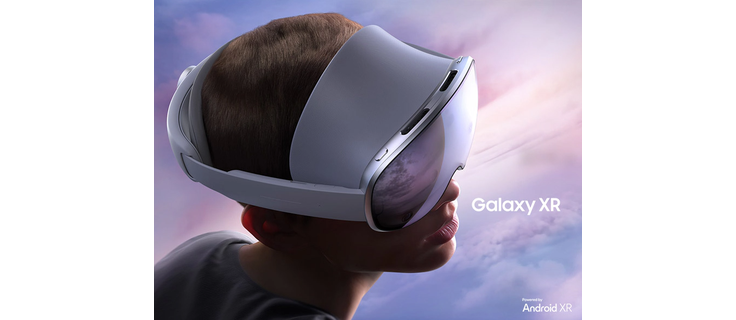
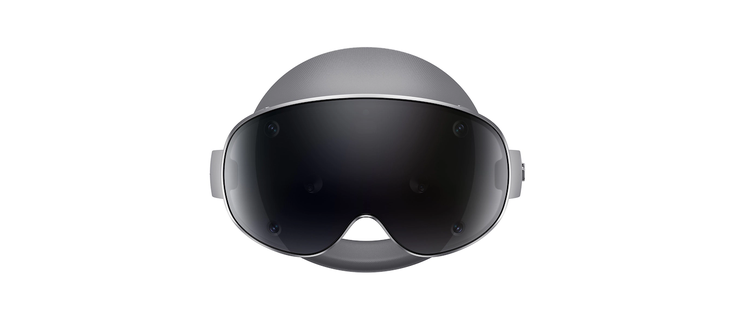
For buyers seeking a spatial computing experience that offers a full-screen cinema or a multi-window productivity environment, the Galaxy XR is the definitive choice for value. It delivers a 109-degree field of view with dual 3,552 x 3,840 micro-OLED panels, creating a visual fidelity that rivals devices costing nearly double its price. If you are looking for a device to wear while walking down the street, the Galaxy XR is too heavy and power-intensive; however, for stationary use at home, in an office, or on a flight, it stands as the most capable device in its class for Android users. For a complete technical breakdown of the device's architecture, see our full guide on Samsung Galaxy XR.
The Value Proposition: Galaxy XR vs. Apple Vision Pro M5
When evaluating the best smart glasses to buy in 2026, the most common comparison is between the Samsung Galaxy XR and the Apple Vision Pro M5. The Apple device, refreshed in October 2025 with the M5 chip, offers a polished ecosystem but comes with a staggering price tag of US$3,499. The Galaxy XR, priced at US$1,799, undercuts Apple by nearly 50% while delivering a user experience that reviewers describe as being 90% as good. The primary differentiator is not just price, but software accessibility. The Galaxy XR runs Android XR, a partnership between Google and Samsung, which grants native access to the entire Google Play Store. This means apps like Netflix, YouTube, and thousands of Android games work out of the box without the workarounds often required on the Vision Pro.
However, the trade-off lies in software maturity. While the Galaxy XR hardware is impressive, early reviews note that eye-tracking and hand-tracking can be slightly less reliable than the industry-leading Vision Pro. The Apple device still holds the crown for the most refined spatial operating system, visionOS, particularly for users deeply embedded in the Mac/iPhone ecosystem. For Windows and Android users, or those who prioritize raw hardware specs over software polish, the Galaxy XR is the superior choice. International buyers outside the US and South Korea often face distribution hurdles, but services like Big Apple Buddy can source the device from Samsung.com and ship it globally, ensuring access to this value leader.
Key Comparison Points
- Price: Galaxy XR ($1,799) vs. Vision Pro M5 ($3,499)
- Display: Galaxy XR (4K micro-OLED, 29M pixels/eye) vs. Vision Pro (High-density micro-OLED, 120Hz)
- Software: Galaxy XR (Full Play Store access) vs. Vision Pro (App Store walled garden)
- Weight: Galaxy XR (545g head + 302g battery) vs. Vision Pro (Similar build, heavier overall)
AVAILABLE FROM BIG APPLE BUDDY
Samsung Galaxy XR
We buy it in the U.S. and ship it to your door in 75+ countries.
BUY THIS NOW
Why the Meta Ray-Ban Display is a Different Category
Many buyers entering the 2026 market are confused by the existence of the Meta Ray-Ban Display with Neural Band. To identify the best smart glasses to buy in 2026, it is crucial to understand that the Meta device is not a competitor to the Galaxy XR in terms of immersive capability. The Ray-Ban Display is a 69g pair of sunglasses with a 600x600 pixel monocular display. It is designed for all-day wear, offering turn-by-turn navigation, discreet messaging, and POV video recording. In contrast, the Galaxy XR is an 847g total system (including the external battery) designed for seated, immersive experiences.
If your goal is to replace your phone for notifications while running or to capture video without holding a device, the Meta Ray-Ban Display is the only logical choice in this trio. However, if you want to watch a 3D movie, work on a virtual 8K monitor, or play high-fidelity VR games, the Meta device cannot compete. The Galaxy XR offers a 109-degree field of view and 4K resolution per eye, capabilities that the Meta glasses simply do not possess. The Meta device is an everyday accessory; the Galaxy XR is a dedicated entertainment and productivity machine. Buying both is often the ideal scenario for tech enthusiasts, but they serve fundamentally different roles in your digital life.
Real-World Performance: Battery, Comfort, and Use Cases
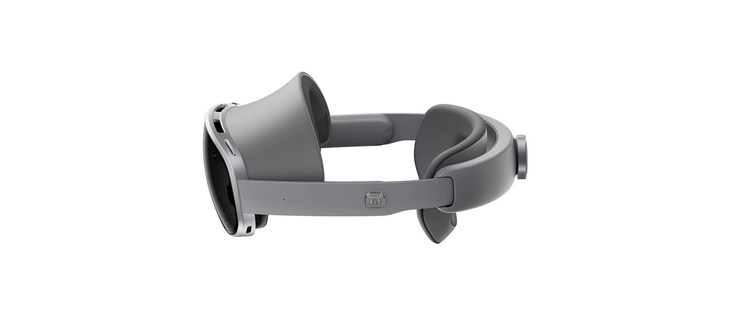
When selecting the best smart glasses to buy in 2026, real-world battery life and comfort are often the deciding factors between the Galaxy XR and its competitors. The Galaxy XR features a 545g head unit connected by a cable to a 302g external battery pack. This design choice, while adding a bit of bulk to the total carry weight (847g), allows for a more comfortable balance on the face compared to devices that house heavy batteries inside the headset. In terms of endurance, the Galaxy XR offers approximately 2 hours of general use and up to 2.5 hours of video playback. This is comparable to the Vision Pro M5, though the Meta Ray-Ban Display offers significantly longer battery life for light use, up to 6 hours on the glasses alone.
For travelers and professionals, the Galaxy XR excels as a portable workstation. Its ability to run the full Android Play Store means you can access your preferred productivity apps, cloud storage, and streaming services natively. The device is lighter than the Vision Pro's head unit, making it more comfortable for extended sessions, though the cable connection can be a minor annoyance for some users. For those living outside the US and South Korea, where direct Samsung sales are limited, international shipping solutions like Big Apple Buddy ensure you can access this high-performance device. The key is to match the device to the activity: use the Galaxy XR for immersive content and productivity, and save the Meta glasses for outdoor, on-the-go utility.
Buying Guide: Accessibility and Ecosystem Integration
For global buyers, the availability of the best smart glasses to buy in 2026 is a critical consideration. As of early 2026, the Samsung Galaxy XR is sold directly only in the US and South Korea. Apple's Vision Pro is available in 12 countries, including the UK, Canada, Germany, and France, while the Meta Ray-Ban Display is currently US-only with limited expansion planned for 2026. This geographic fragmentation means that many international customers cannot simply walk into a store to purchase these devices. However, this does not limit access; specialized retailers like Big Apple Buddy can purchase these items from official US retailers (Samsung.com, Best Buy, Apple Stores) and ship them worldwide via express courier services.
Who Should Buy the Galaxy XR?
- Android Ecosystem Users: If you use Android phones and Windows PCs, the Galaxy XR offers seamless integration that the Vision Pro cannot match.
- Budget-Conscious Buyers: At US$1,799, it is the most affordable entry into high-fidelity mixed reality, undercutting Apple by $1,700.
- Content Consumers: With native support for Netflix and YouTube, it is the best device for watching movies and shows in a virtual theater.
- Global Shoppers: Those outside the US/South Korea can still access the device through international sourcing partners.
The Galaxy XR represents the most logical choice for the majority of buyers in 2026 who want a premium spatial computing experience without the premium price tag of Apple. By understanding the distinct use cases of the Galaxy XR versus the Meta Ray-Ban Display, buyers can make an informed decision that maximizes their investment in 2026's evolving wearable technology landscape.