Current Market Status: Why the Fitbit Air is Not Locally Available
As of May 2026, the Fitbit Air remains unavailable through any official retail channels within Saudi Arabia. Despite the device's launch in the United States with a US MSRP of $99.99, Google has confirmed that the device is currently a United States exclusive at launch. A spokesperson for Google explicitly stated to regional media outlets that the device is unavailable in the UAE and similar GCC markets, directing interested buyers to the international Google Store website. However, this international storefront does not currently support shipping to Saudi addresses, effectively creating a digital border for the device.
Extensive checks of major Saudi retailers confirm this gap. Jarir Bookstore, the dominant electronics retailer in the Kingdom, does not list the Fitbit Air, focusing instead on older Fitbit models like the Versa and Charge series. Similarly, eXtra, noon.com (Saudi storefront), and Amazon.sa show no listings for the Air. The brand's local presence is limited to legacy inventory, with the Charge 6 and Inspire models being the only current Fitbit wearables available with local warranty support.
Telecom operators such as STC and Mobily do not stock the device in their accessory channels, nor do hypermarkets like Lulu or Panda. This absence is not a temporary stockout but a strategic market decision by Google to phase the device into international markets later. For Saudi consumers, this means that purchasing a Fitbit Air requires looking beyond local borders.
The Import Path: How to Legally Bring the Fitbit Air to KSA
For Saudi residents determined to own the Fitbit Air today, the only viable path is personal import via a US-based retailer. Since local retailers do not carry the device, buyers must purchase directly from the US Best Buy or the Google Store US and have the item shipped to Saudi Arabia. This process involves navigating ZATCA (Zakat, Tax and Customs Authority) regulations, which can seem daunting but is straightforward for low-value items like the Fitbit Air.
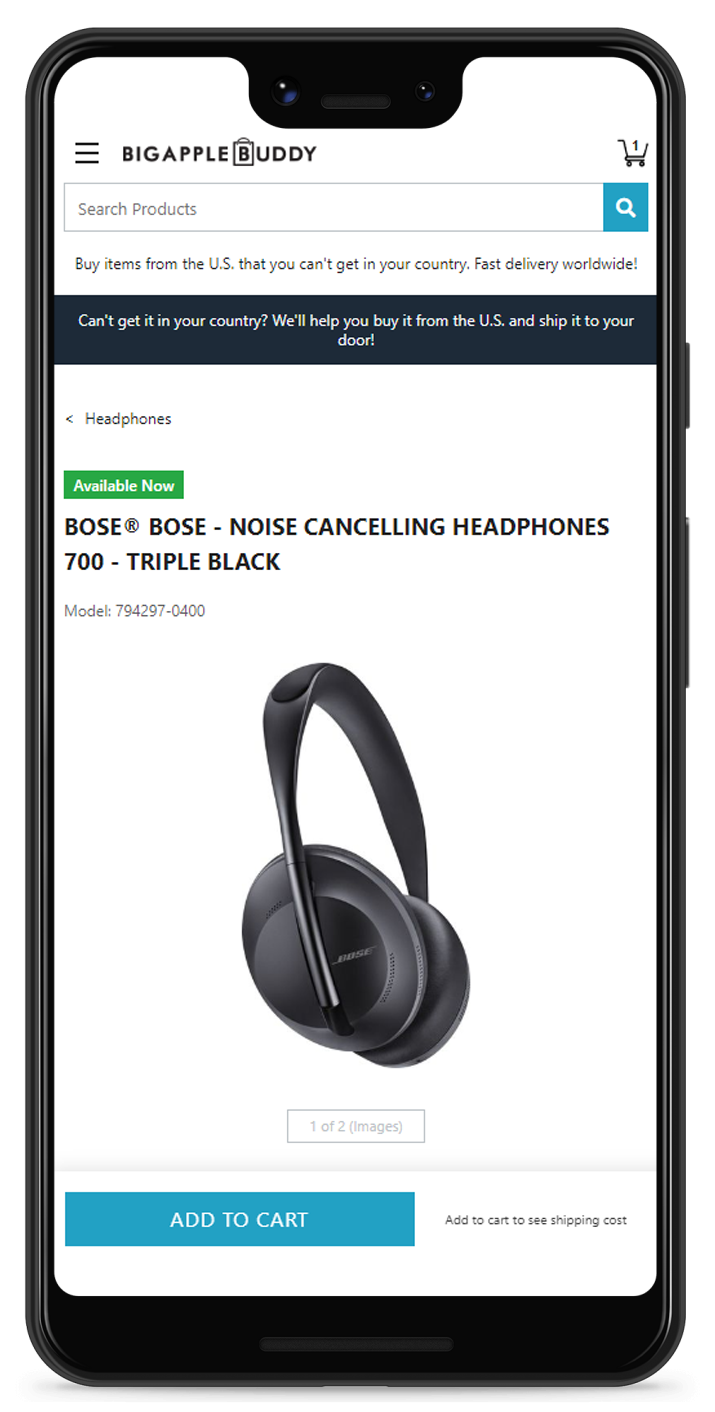
The most reliable method for international buyers is to utilize a specialized US shopping concierge service like Big Apple Buddy. These services act as your US address, allowing you to purchase from Best Buy or Google.com and have the item shipped directly to your home in Riyadh, Jeddah, or Dammam. This eliminates the need to navigate complex international shipping logistics yourself.
ZATCA Duty and VAT Breakdown
Understanding the costs is crucial for budgeting. The Fitbit Air has a US MSRP of approximately SAR 375. According to ZATCA rules, shipments valued under SAR 1,000 fall under the de-minimis threshold, meaning you are exempt from the standard 5% customs duty. However, you are still liable for two specific charges:
- 15% VAT: Calculated on the total landed value (item cost + shipping + insurance).
- SAR 15 E-commerce Fee: A fixed customs declaration fee for shipments under SAR 1,000.
For a device costing $100, the total ZATCA charges will typically range between SAR 60 and SAR 80. This makes the total landed cost roughly SAR 575 to SAR 700, including shipping, which is significantly lower than the grey-market premiums often seen on unofficial resellers.
AVAILABLE FROM BIG APPLE BUDDY
Fitbit Air Saudi Arabia
We buy it in the U.S. and ship it to your door in 75+ countries.
BUY THIS NOW

Comparing Fitbit Air to Locally Available Alternatives
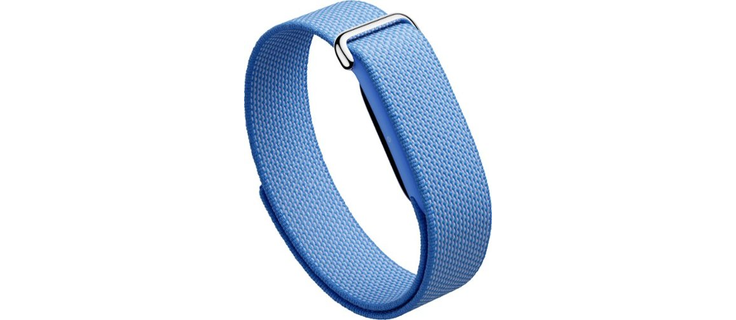
While waiting for an official regional launch, many Saudi buyers wonder if they should settle for a locally available alternative. The Fitbit Air is a unique, screenless device weighing only 5.2g. When compared to devices actually sold in Saudi Arabia today, the trade-offs become clear. The following table compares the Fitbit Air (imported) against the most popular local alternatives available at retailers like Jarir and noon.com.
| Feature | Fitbit Air (Imported) | Apple Watch SE (Local) | Samsung Galaxy Fit3 (Local) |
|---|---|---|---|
| Availability | US Import Only | Jarir, eXtra, noon | Samsung KSA, noon, Amazon.sa |
| Estimated Cost (SAR) | ~SAR 650 (Imported) | SAR 799 - 1,149 | SAR 250 - 330 |
| Weight | 5.2g (Screenless) | ~40g | 36g |
| Battery Life | 7 Days | 18-36 Hours | ~13 Days |
| Warranty | US Warranty Only | Full KSA Warranty | Full KSA Warranty |
| Payment | None (No NFC) | Apple Pay (Mada) | No NFC |
As shown, the Samsung Galaxy Fit3 is the most cost-effective option locally, costing less than half the price of an imported Fitbit Air. However, it lacks the specific Google Health ecosystem integration and the ultra-lightweight, screenless design of the Air. The Apple Watch SE offers a full smartwatch experience with local warranty and Apple Pay, but at a significantly higher price point and with much shorter battery life. The Fitbit Air is the superior choice only if you specifically want the screenless form factor and the Google Health AI coaching features, and you are willing to navigate the import process.
Future Outlook: When Will the Fitbit Air Arrive in Saudi Arabia?
For those unwilling to deal with the import process, the question remains: when will the Fitbit Air officially launch in Saudi Arabia? Based on Google's historical rollout patterns and recent statements, a regional launch is expected but not imminent. The company has confirmed that the device is currently a US exclusive, and no official date has been set for the Middle East and North Africa (MENA) region.
Industry analysts and local tech reporters, such as those at Gadgets Middle East, suggest that a regional rollout typically occurs 3 to 6 months after the US launch. Given the May 2026 launch date, we can anticipate an official KSA presence potentially arriving in late 2026 or early 2027. When it does arrive, it is likely to be distributed through major electronics chains like Jarir and eXtra, as well as online marketplaces like noon.com.
Until then, buyers face a difficult choice: pay a premium to grey-market resellers who may not offer warranty support, or use a reliable US shopping service like Big Apple Buddy to import the device at US MSRP plus transparent duties. The grey market is risky; resellers on noon.com or Amazon.sa may list the device at 60-100% markups without valid manufacturer warranties, as Google's Saudi service partners will not honor US warranties. Waiting for an official launch is the safest long-term strategy, but for immediate needs, the import route remains the most cost-effective and reliable option.