The Current Landscape of Garmin Bounce 2 Availability in South Africa
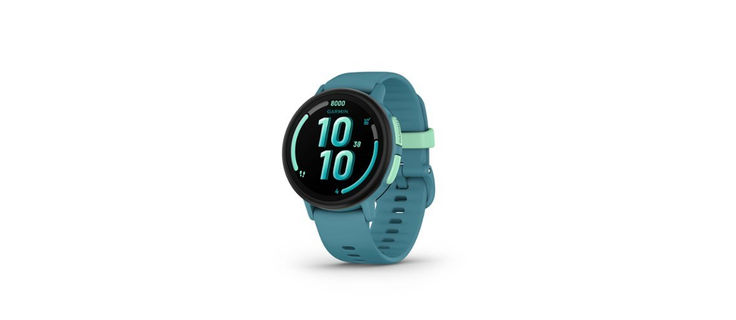
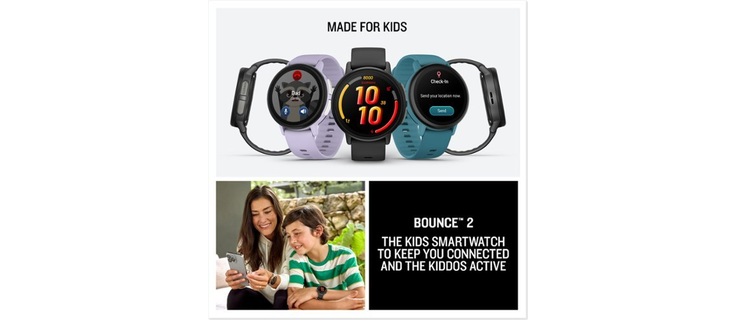
As of mid-2026, the Garmin Bounce 2 Kids Smartwatch remains a product with a significant gap in the South African retail landscape. Despite Garmin maintaining a robust official presence in the country through garmin.com/en-ZA and authorized dealers like Cape Union Mart and Sportsmans Warehouse, the Bounce 2 has not been officially launched for the local market. This absence is not a temporary stockout but a strategic omission; Garmin has not yet released the device through its South African distribution channels. Consequently, parents seeking this premium device must look beyond the local retail ecosystem to acquire the watch.
The primary barrier to entry is not the hardware itself, but the ecosystem's geographic restrictions. The Bounce 2 was launched in the United States in September 2025, and its availability has been tightly controlled to the US market. While Garmin acknowledges the kids' wearables segment in South Africa, the specific SKU 71511351 (Bounce 2) has not been assigned a local distributor. For international customers, including those in South Africa, acquiring this device requires navigating the complexities of cross-border e-commerce. Services like Big Apple Buddy have emerged as a critical bridge, allowing international shoppers to purchase from US retailers and have the item shipped directly to their doorstep. This service has successfully fulfilled orders for the Bounce 2 in South Africa, proving that while official channels are closed, alternative pathways exist for the determined buyer.
Understanding this availability gap is the first step for any South African parent. The device is not sold in local stores, meaning there is no opportunity for hands-on inspection, immediate returns, or local warranty validation at the point of sale. The entire acquisition process shifts to a high-trust, high-cost international transaction model. Buyers must accept that the device is an imported good, subject to international shipping timelines and customs regulations, rather than a standard retail purchase.
The LTE Connectivity Paradox: Hardware vs. Service Availability
One of the most critical aspects of the Garmin Bounce 2's international availability in South Africa is the functionality of its LTE connectivity. The device is marketed heavily on its ability to provide two-way calling, live location tracking without Wi-Fi, and direct messaging. However, these features rely entirely on the Garmin Kids LTE Plan, a subscription service that is currently exclusive to the United States market. The service costs $9.99 per month and requires a US-based carrier integration that is not available in South Africa. This creates a unique situation where the hardware is technically capable, but the service layer is completely severed.
Network Band Compatibility
From a purely hardware perspective, the Bounce 2 is surprisingly compatible with South African infrastructure. The device supports LTE bands B3 (1800 MHz), B8 (900 MHz), and B20 (800 MHz). South African mobile networks, specifically Vodacom and MTN, operate extensively on B3 and B8 bands. This means the physical radio in the watch can technically register on a local SIM card if the device were configured for standard cellular data. However, the Garmin Jr. app and the watch's firmware are locked to the US LTE plan architecture. Even if a South African SIM were inserted, the device would not recognize the network for the specific voice and data services required for the Bounce 2's core features.
The Functional Reality in South Africa
For South African users, the Bounce 2 effectively becomes a Wi-Fi dependent GPS tracker rather than a standalone LTE smartwatch. The device will still function for:
- GPS Tracking: Real-time location updates will work as long as the watch is connected to a Wi-Fi network or has cached GPS data.
- Activity Tracking: All sports modes, step counting, and sleep tracking remain fully functional.
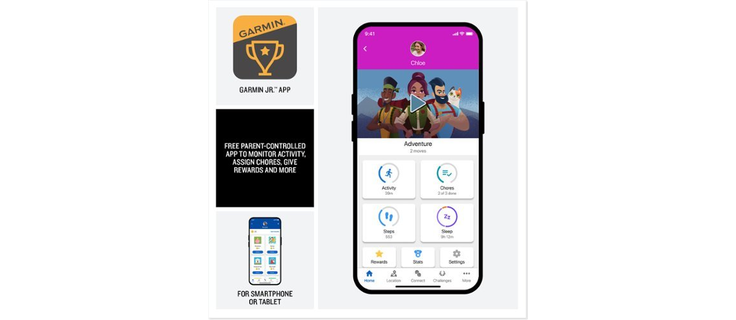
- Parental Controls: The Garmin Jr. app on a parent's smartphone will sync with the watch to show location and manage settings.
- Amazon Music: If the child has access to a Wi-Fi network, they can still download and listen to music (subscription required).
However, the core value proposition of anywhere connectivity is lost. Without the US LTE plan, the watch cannot make or receive calls, send voice messages, or update location in real-time when the child is away from home Wi-Fi. This limitation is a direct result of the international availability restrictions and must be a primary consideration for parents weighing the purchase.
AVAILABLE FROM BIG APPLE BUDDY
Garmin Bounce 2 Kids Smartwatch
We buy it in the U.S. and ship it to your door in 75+ countries.
BUY THIS NOW
Cost Analysis: Import Duties, VAT, and Total Landed Cost
Acquiring the Garmin Bounce 2 in South Africa involves a complex cost structure that goes far beyond the US retail price of $299.99. When importing electronics into South Africa, buyers must factor in service fees from international shopping services, international shipping costs, and South African government taxes. The total landed cost can easily exceed the local price of competing devices due to these cumulative charges.
Breakdown of Import Costs
Using a service like Big Apple Buddy, the cost calculation follows a specific path. The base price is the US retail cost. This is then augmented by the service fee (typically 15-20% of the product value) and the international shipping charge (usually $50-$100 via FedEx or UPS). Once the package arrives in South Africa, SARS (South African Revenue Service) assesses the duty and VAT.
The following table outlines the estimated cost structure for importing a single unit:
| Cost Component | Estimated Amount (ZAR) | Notes |
|---|---|---|
| US Retail Price ($299.99) | R5,700 | Based on 1 USD = 19 ZAR |
| Service Fee (~18%) | R1,026 | Big Apple Buddy handling fee |
| International Shipping | R1,425 | FedEx/UPS Express to SA |
| Subtotal (CIF Value) | R8,151 | Cost before local taxes |
| Import Duty (0%) | R0 | Electronics (HS Ch. 85) are duty-free |
| VAT (15% on CIF) | R1,223 | Calculated on the subtotal |
| Total Landed Cost | R9,374 | Approximate final price |
Important Note: The de minimis threshold in South Africa is R500. Since the value of the Bounce 2 far exceeds this, VAT is unavoidable. There is no duty on electronics, but the 15% VAT significantly increases the final price. This brings the total cost to approximately R9,000-R10,000, which is roughly three times the price of the original Garmin Bounce or significantly higher than local alternatives like the Funkyfing JR 1.
Local Alternatives vs. The Imported Garmin Bounce 2
Given the high cost and functional limitations of the imported Garmin Bounce 2, South African parents often find themselves weighing the pros and cons against locally available alternatives. The local market offers devices that are specifically designed for the South African infrastructure, using local SIM cards to ensure full LTE functionality. These alternatives often provide a better user experience for the price, despite lacking the premium branding of Garmin.
Comparison of Key Features
When comparing the imported Bounce 2 to local options like the Funkyfing JR 1 or the Volkano Find Me 4G, the trade-offs become clear. The local devices are built to work with Vodacom, MTN, and Telkom SIMs out of the box, ensuring that calling, messaging, and live tracking work seamlessly without any US subscription plans.
| Feature | Garmin Bounce 2 (Imported) | Funkyfing JR 1 (Local) | Volkano Find Me 4G (Local) |
|---|---|---|---|
| Price (Approx.) | R9,374 | R3,199 | R1,500 |
| LTE Calling/Messaging | No (US Plan Required) | Yes (Local SIM) | Yes (Local SIM) |
| Display Type | 1.2" AMOLED (Premium) | IPS LCD | IPS LCD |
| Water Resistance | 5 ATM (50m) | Standard IP67 | Standard IP67 |
| Warranty Support | US Only (Difficult) | Local (1 Year) | Local (1 Year) |
| GPS Accuracy | Garmin (Excellent) | Standard GPS | Standard GPS |
While the Garmin Bounce 2 boasts a superior AMOLED display, better water resistance, and arguably superior GPS algorithms, the loss of LTE functionality in South Africa is a dealbreaker for many parents. The local alternatives offer a complete package: calling works, tracking works, and the price is a fraction of the imported cost. The Garmin device is only recommended for parents who prioritize the premium build quality, the specific Garmin Jr. app ecosystem, and the ability to listen to Amazon Music, and who do not strictly require standalone cellular calling.
Warranty, Support, and Long-Term Ownership Considerations
One of the most overlooked risks of importing the Garmin Bounce 2 into South Africa is the warranty and support structure. Garmin South Africa, like many international tech giants, typically restricts its warranty coverage to devices purchased through authorized local distributors. This means that a unit bought via Big Apple Buddy or any other third-party international reseller is not covered by the local warranty.
The Warranty Gap
If the Bounce 2 suffers from a manufacturing defect, a broken strap, or a battery failure within the first year, the parent cannot simply take it to a local store like Sportsmans Warehouse or Cape Union Mart for a repair or replacement. The device must be serviced through Garmin US support. This process is fraught with challenges: it requires international shipping of the device back to the United States, which can take weeks, and the cost of shipping is rarely covered by the warranty. Furthermore, the US support team may not have the same level of technical support infrastructure for international inquiries, leading to longer resolution times.
Practical Implications for Parents
For a child's device, reliability is paramount. A broken watch that cannot be easily repaired in South Africa leaves the child without a safety tool. Parents must consider the total cost of ownership, which includes the risk of the device being out of commission for extended periods. Additionally, accessories like replacement bands or charging cables are not readily available in South Africa. If the original charger is lost or broken, the parent must order a replacement from the US, adding to the logistical burden.
Despite these challenges, the device remains a viable option for those who value the specific Garmin ecosystem and are willing to accept the risks associated with international ownership. The decision ultimately rests on whether the premium hardware and app features outweigh the lack of local support and the loss of LTE functionality. For most families, the local alternatives offer a more practical and risk-free solution, but for the tech-savvy parent seeking the absolute best hardware, the Bounce 2 remains a unique, albeit challenging, purchase.