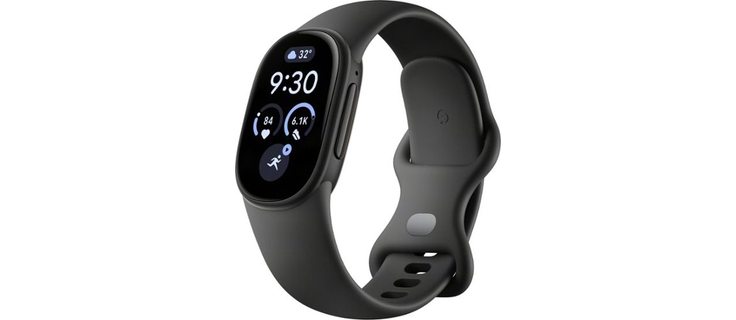
Why the Google Fitbit Edge Isn't Officially Available in South Africa
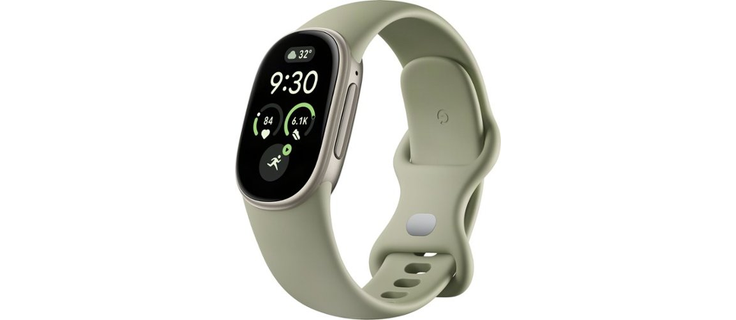
The launch of the Google Fitbit Edge on October 27, 2026, marked a significant milestone for Google's fitness ecosystem, introducing a device with a user-replaceable battery and Gemini-powered coaching. However, for South African consumers, the experience of acquiring this device is fundamentally different from that of buyers in the United States, Canada, the UK, or Australia. South Africa was explicitly excluded from the initial launch market of 20 countries. If you attempt to visit the official Google Store South Africa URL for the product, the site redirects you to a region picker, confirming that no direct sales channel exists for this device within the country.
This absence is not a temporary logistical gap but the result of Fitbit's strategic withdrawal from the South African market in November 2023. Discovery Health, which had previously partnered with Fitbit for its Vitality program, issued notices confirming that Fitbit devices would no longer be officially distributed or supported through local retail channels. Consequently, major local retailers such as Incredible Connection and iStore do not stock any Fitbit products, focusing instead on competing brands or Apple wearables.
While you may find older models like the Fitbit Charge 6 or the screenless Fitbit Air on marketplace platforms like Takealot, these are sold by third-party vendors, not Google. The Google Fitbit Edge, with its advanced AMOLED display and 7-day battery life, remains inaccessible through standard local retail. This gap in availability creates a specific set of challenges and opportunities for South African buyers who want the latest technology. The solution lies in international procurement, where services like Big Apple Buddy allow customers to purchase directly from US retailers like Best Buy and have the item shipped to South Africa, bypassing the lack of local distribution.
Cost Analysis: Importing the Google Fitbit Edge to South Africa
For South African buyers, the decision to import the Google Fitbit Edge hinges on a detailed cost analysis that goes beyond the sticker price. The device is priced at $179.99 in the United States, which, at the current exchange rate of approximately R16.72 per USD, translates to roughly R3,009 before any additional fees. This base price might seem competitive, especially when compared to the R5,999 price tag for the older Fitbit Charge 6 on Takealot, but import duties and value-added tax (VAT) significantly alter the final landed cost.
Understanding SARS Import Rules
South African Revenue Service (SARS) regulations distinguish between low-value parcels and standard imports. Since September 2024, consignments valued at R500 or less are subject to a 20% flat rate plus VAT. However, the Google Fitbit Edge, valued at over R3,000, falls well above this threshold. It is cleared under normal customs rules, meaning you will pay standard import VAT and potentially customs duty.
Import VAT is calculated at 15% of the customs value, which includes the item price, shipping costs, and a 10% uplift factor for insurance and handling. For a $179.99 device, this VAT alone adds approximately R497 to the cost. The customs duty rate for smart wearables (typically classified under HS code 8517.62) is uncertain in public tariff books, but even if the duty is zero, the VAT burden is substantial. When you add international shipping fees and courier clearance charges, the total cost may approach or exceed R4,000.
Comparison with Local Alternatives
To help visualize the financial trade-offs, consider the following comparison between importing the new Edge and purchasing older stock locally:
| Product | Source | Estimated Cost (ZAR) | Key Differences |
|---|---|---|---|
| Google Fitbit Edge | Imported (US) | R3,500 - R4,200 | Newest tech, replaceable battery, no NFC |
| Fitbit Charge 6 | Takealot (Marketplace) | R5,999 | Older model, smaller screen, local warranty issues |
| Fitbit Air | Takealot (Marketplace) | R3,196 | No screen, basic tracking only |
| Samsung Galaxy Fit3 | Local Retail | R1,299 - R1,609 | Local warranty, but different ecosystem |
As you can see, while the imported Edge is cheaper than the local Charge 6, it is not necessarily the cheapest option. The decision often comes down to whether the specific features of the Edge, such as its user-replaceable battery and larger display, justify the import process and associated costs.
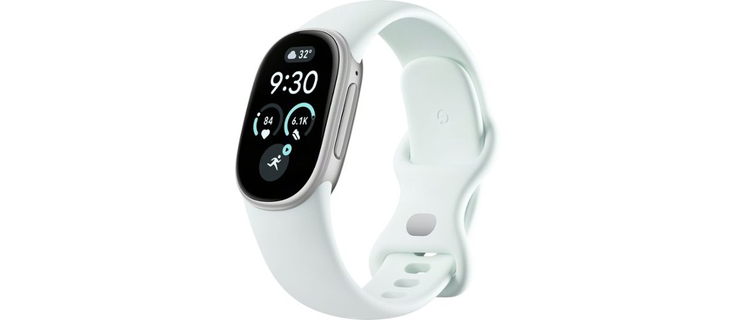
AVAILABLE FROM BIG APPLE BUDDY
Google Fitbit Edge
We buy it in the U.S. and ship it to your door in 75+ countries.
BUY THIS NOW
Navigating Customs and Shipping Logistics
Successfully importing the Google Fitbit Edge requires more than just paying for the device and shipping; it demands careful attention to customs declarations and regulatory compliance. South African customs authorities are stringent about the valuation and nature of imported goods. A common mistake buyers make is declaring a purchased item as a 'gift' to avoid duties. This is illegal and can result in the seizure of the package, fines, and a blacklist of your address from future imports. Always declare the item as a 'personal purchase' with its true value.
Using a Shopping Service
For most South Africans, the most efficient way to import the Fitbit Edge is through a shopping service such as Big Apple Buddy. These services act as an intermediary, purchasing the item from US retailers like Best Buy on your behalf. This eliminates the need for a US credit card and a US shipping address, which are significant barriers for international buyers. The service then consolidates your package and ships it to South Africa, handling the initial export logistics.
Customs Codes and Declarations
When your package arrives in South Africa, it will be processed by customs. Private individuals can use the SARS customs code 70707070 for imports up to R150,000 per calendar year. It is crucial that the invoice provided by the retailer (or the shopping service) clearly itemizes the Google Fitbit Edge and its value. Vague descriptions like 'electronics' or 'accessories' can lead to delays and additional inspections. Ensure that the shipping documentation accurately reflects the product name and value to expedite clearance.
Additionally, be prepared for potential delays during peak shipping seasons or when customs volumes are high. Courier companies like DHL, FedEx, or local partners will contact you once the package clears customs, at which point you will need to pay the calculated VAT and any clearance fees. Keeping your US invoice safe is essential, as it serves as proof of value in case of disputes or warranty claims.
Software Compatibility and Ecosystem Considerations
One of the primary concerns for South African buyers importing the Google Fitbit Edge is whether the software ecosystem will function correctly outside of the launch markets. Fortunately, the good news is that the Google Health app (formerly the Fitbit app) is available in both the South African Google Play Store and Apple App Store. This means that pairing the device with your Android or iOS phone is not region-locked at the app store level. As long as your phone runs Android 11+ or iOS 16.4+, the initial setup process should proceed without issues.
Gemini Coaching and Premium Features
However, the situation is more complex regarding advanced features. The Google Fitbit Edge heavily promotes Gemini-built coaching, a feature that requires a Google Health Premium membership. When Google expanded its personal health coach program in April 2026, South Africa was not included in the list of 37 preview countries. This means that while the app will work, the premium AI coaching features may not be accessible to South African users. You may encounter a 'feature not available in your region' message when trying to activate these tools.
Discovery Vitality Integration
For users of Discovery Vitality, the integration of Fitbit devices has been a key benefit. Despite Fitbit's exit from the local market, Discovery Health has stated that existing Fitbit devices can still be linked and synced to earn Vitality points. However, it is uncertain whether the new Google Fitbit Edge, which runs on the updated Google Health platform, will sync seamlessly with the Vitality app. Users should test the integration upon arrival and be prepared for potential compatibility hiccups. If the Edge does not sync, it may limit the device's utility for those who rely on Vitality points for health rewards.
Warranty and Support
Finally, consider the warranty implications. Fitbit's limited warranty is one year and applies only in jurisdictions where the products are officially sold. Since South Africa is no longer an official sales territory, a US-bought Fitbit Edge will not have a valid local warranty. If the device fails, you would need to navigate the US warranty process, which involves shipping the device back to the United States or dealing with US-based customer service. This lack of local support is a significant risk factor that must be weighed against the benefits of owning the latest device.
Step-by-Step Guide to Purchasing the Google Fitbit Edge
If you have decided that the benefits of the Google Fitbit Edge outweigh the complexities of importing it, here is a practical, step-by-step guide to making the purchase successfully. This process is designed to minimize risks and ensure that you receive your device with minimal customs issues.
Step 1: Choose a Reliable Shopping Service
Select a reputable international shopping service that operates between the US and South Africa. Services like Big Apple Buddy are well-established and understand the nuances of South African customs. Create an account and familiarize yourself with their shipping calculator, which will estimate the total landed cost including shipping and handling fees.
Step 2: Purchase the Device
Visit a US retailer such as Best Buy or the US Google Store. Add the Google Fitbit Edge to your cart, selecting your preferred colorway (Obsidian, Olive, or Canyon). Note that the device is available at $179.99, with a Stephen Curry Special Edition at $219.99. When checking out, use the shopping service's provided US address. Ensure that the invoice is generated correctly, listing the item name and price clearly.
Step 3: Monitor Shipping and Customs
Once the item is shipped, track the package using the provided tracking number. The shopping service will notify you when the package arrives in South Africa. At this stage, customs will assess the package, and you will receive a notification from the courier company regarding the VAT and clearance fees due. Pay these fees promptly to avoid storage charges.
Step 4: Unboxing and Setup
Upon receiving your package, inspect it for any damage. Keep all packaging and documentation, including the US invoice, in a safe place. Connect the device to your phone via the Google Health app. If you encounter any issues with region-locked features, contact the shopping service's support team, as they may have insights into common pitfalls.
Step 5: Verify Vitality Sync (If Applicable)
If you are a Discovery Vitality member, link your new Fitbit Edge to the Vitality app immediately. Test the syncing process by completing a few activities and checking if points are awarded. If the device does not sync, contact Discovery Health support to inquire about the compatibility of the Google Health app with the Vitality platform.