The Current Launch Status: US-Only Restrictions and In-Store Requirements
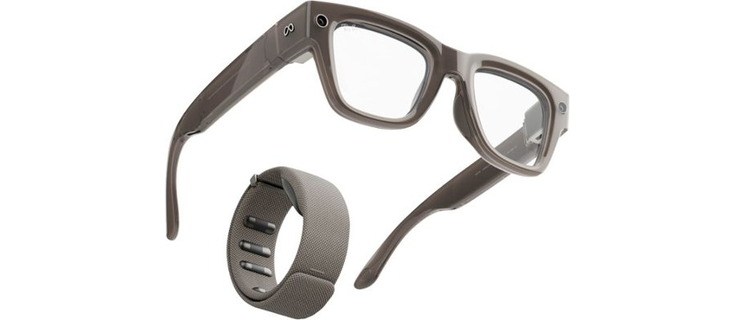
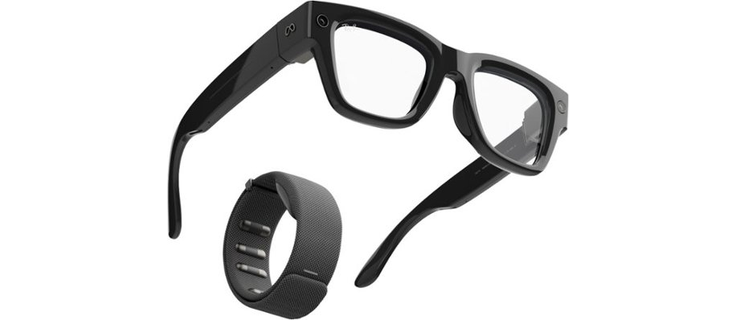
As of April 2026, the Meta Ray-Ban Display remains a strictly domestic product, available exclusively within the United States. Following its initial launch on September 30, 2025, the device has not yet expanded to any international markets. This restriction is not merely a logistical delay but a deliberate strategy driven by unprecedented demand and constrained inventory. Meta has explicitly stated that the device is sold in-store only at select US retailers, including Best Buy, LensCrafters, Sunglass Hut, and official Ray-Ban stores. Crucially, even within the US, you cannot simply walk in and buy the product off the shelf; a demo appointment is mandatory before a purchase can be finalized.
This in-store exclusivity model is designed to ensure customers understand the complex AI and display features before committing to the $799 price point. For international buyers, this creates a significant barrier to entry. Unlike standard electronics that ship globally, the Meta Ray-Ban Display is not available for online purchase from Meta or its authorized partners in any country outside the US. If you are located in the UK, Canada, France, Italy, or anywhere else, the official retail channels are currently closed to you.
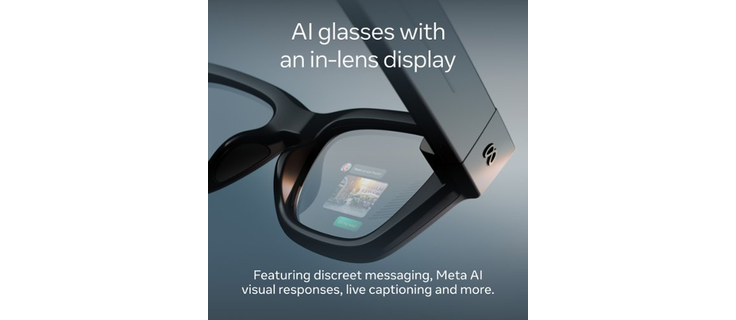
For a complete technical overview of the device's capabilities, see our Meta Ray-Ban Display: The Definitive Guide to the Future of Smart Eyewear. While the hardware is powerful, the availability window is currently narrow, limited to the US market with specific retail partnerships.
Why the International Rollout Was Paused: Demand vs. Regulation
The decision to pause the international expansion of the Meta Ray-Ban Display has sparked considerable debate in the tech community. At CES 2026 (January 6, 2026), Meta officials clarified that the delay was not due to regulatory hurdles, data privacy concerns, or technical incompatibilities in other regions. Instead, the pause was a direct response to unprecedented demand and limited manufacturing capacity. Meta's production partners, including EssilorLuxottica, have struggled to scale output quickly enough to meet the surge in US orders, leading to waitlists that extend well into late 2026.
This approach is distinct from the typical smart glasses market, where international delays are often caused by local regulations or spectrum issues. The closest competitor, the Even Realities G1, has managed to launch in 10 countries with 169 try-on locations, but it lacks the advanced camera and AI features of the Meta Display. Meta's choice to prioritize US inventory over global distribution signals a confidence that the product will eventually sell out globally, provided they can stabilize supply chains.
Key Factors in the Delay
- Production Scaling: Manufacturing high-precision AR displays and integrating Neural Bands is complex and time-consuming.
- Inventory Allocation: Limited stock is being prioritized for the US market to maintain high customer satisfaction and demo completion rates.
- Market Saturation: Meta may be waiting for the US market to cool slightly before expanding to avoid the same supply chain bottlenecks internationally.
While this is frustrating for global enthusiasts, it is widely interpreted as a positive signal of the product's market viability. However, without a confirmed timeline for resumption, international buyers face an uncertain waiting period.
AVAILABLE FROM BIG APPLE BUDDY
Meta Ray-Ban Display
We buy it in the U.S. and ship it to your door in 75+ countries.
BUY THIS NOW
Strategies for International Buyers: How to Purchase Outside the US
For international customers determined to acquire the Meta Ray-Ban Display before official global release, the only viable path is through third-party international purchasing services. Since online sales are disabled and official stores are closed outside the US, you cannot order directly from Meta or Best Buy. Instead, you must utilize personal shopping services that operate in the US retail sector and specialize in international logistics. These services purchase the item on your behalf from US retailers and handle the complex process of shipping it to your doorstep.
One prominent service in this space is Big Apple Buddy. They navigate the specific constraints of US retail, such as credit card restrictions and inventory checks, to secure the device for you. This service is particularly valuable because US retailers often block international credit cards at the point of sale, and the mandatory in-store demo requirement makes remote purchasing impossible for the end user.
Cost Breakdown for International Import
When purchasing through a service like Big Apple Buddy, the total cost extends significantly beyond the $799 retail price. You should anticipate the following expenses:
- Product Price: $799 USD
- Service Fees: Varies by provider, typically $50-$150 for purchasing and handling.
- International Shipping: $80-$120 depending on weight and destination.
- Import Duties & Taxes: VAT, GST, or customs duties can add 20% to 40% to the total value depending on your country.
The final price tag for a unit delivered to your home often lands between $950 and $1,100 or more. Additionally, you must consider that the device contains lithium-ion batteries, which require special shipping classification and may face restrictions in certain air freight routes.
Future Timeline Projections and Regional Availability Expectations
As of April 2026, Meta has not announced a replacement date for the paused international rollout. The planned expansion to the UK, Canada, France, and Italy has been indefinitely deferred. However, industry analysts and historical data from Meta's previous smart glasses launches suggest a potential timeline. Historically, Meta's smart glasses products have taken approximately two years from their initial US launch to achieve broad international availability. If this pattern holds, international release could begin in late 2026 or early 2027, once US supply chains stabilize.
It is important to note that the Meta Ray-Ban Display has the narrowest initial launch of any generation, reflecting its unique complexity and supply constraints. This suggests that the timeline for international availability might be even more conservative than the standard two-year window. Furthermore, the European Union's recent regulations regarding removable batteries in electronic devices could create additional regulatory delays specifically for European markets, potentially pushing the launch further into 2027.
Competitor Landscape Context
While Meta waits, the smart glasses market is evolving. The Even Realities G1 is currently available in 10 countries, offering a viable alternative for those who need a display device immediately, though it lacks the camera and AI integration of the Meta Display. Snap Spectacles are targeting a 2026 consumer launch, but no specific availability dates have been confirmed. Google and Samsung's Android XR glasses are also targeting 2026-2027, suggesting a crowded market is on the horizon.
Technical Compatibility and Import Considerations for Global Users
For international buyers who manage to import the Meta Ray-Ban Display via personal shopping services, there are technical considerations to keep in mind. The hardware itself is globally functional; the glasses will operate in any country with a compatible smartphone and internet connection. However, certain features tied to Meta's AI ecosystem and regional content libraries may be limited or unavailable outside the US. For instance, specific voice assistant responses, localized AI training data, and region-specific app integrations might not function correctly if the device is registered outside its intended market.
The display capabilities are generally universal, but the Neural Band integration and Meta AI services rely on US-based infrastructure. Users importing the device should be prepared for potential software limitations. Additionally, the warranty coverage is typically restricted to the country of purchase. If you import the device, you may find that Meta's US support cannot assist with repairs or replacements, leaving you dependent on third-party repair shops in your local region.
When importing, ensure your personal shopping service provides proper documentation for customs. The device's classification as a smart wearable with a camera and battery requires careful declaration to avoid seizure at customs. While the device is powerful, the lack of official global support and the potential for software restrictions make it a calculated risk for international buyers who choose to import.