The Availability Paradox: Local Stock vs. Exclusive Import
The landscape of smart glasses in South Africa has shifted dramatically in recent months. It is no longer true to say that smart glasses are unavailable in the region. Major retailers such as 180by2 and ZEEK Online now stock the standard Ray-Ban Meta lineup, including Gen 1 Wayfarer and Skyler models, as well as the newer Gen 2 and Meta Ray-Ban Display units. These devices are readily available for immediate purchase, local payment, and local support, with prices typically ranging from R9,995 to R17,995 depending on the generation and lens type.
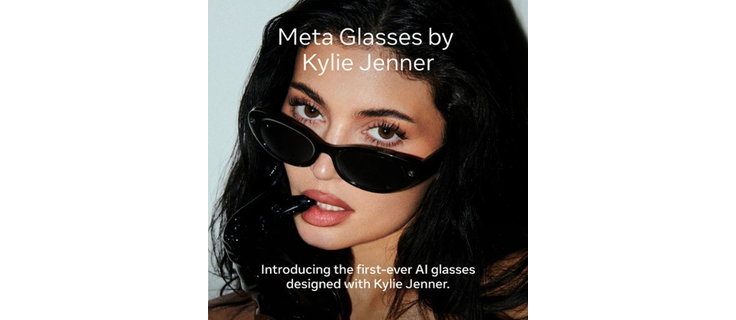
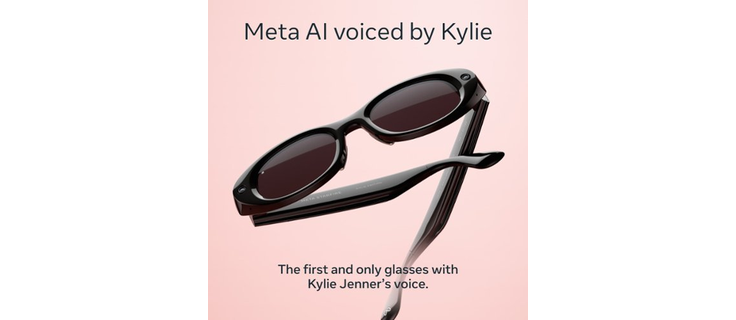
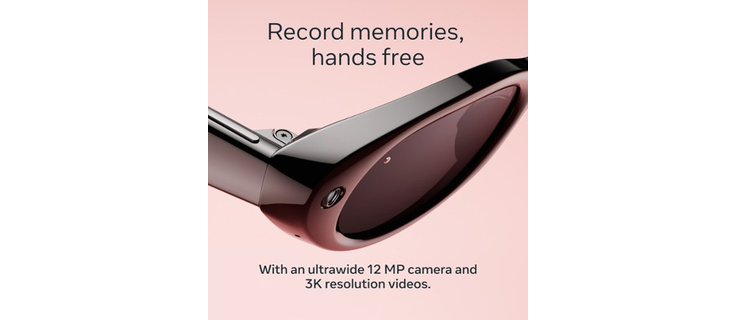
However, a critical distinction exists for the Meta Starfire Kylie Edition. This specific model, a collaboration featuring Kylie Jenner, is not available through any South African stockist. It is a US-market exclusive, sold only through Meta.com, Best Buy, Sunglass Hut, and LensCrafters. The product is physically distinct from the local Ray-Ban Meta models, featuring a slim oval frame, a unique gem accent on the left lens, a mirrored charging case, and three-way adjustable nose pads. Furthermore, it comes with a custom AI assistant voiced by Kylie Jenner, complete with signature phrases like "rise and shine."
For the South African consumer, this creates a paradox: you can buy smart glasses today in Johannesburg or Cape Town, but you cannot buy this specific pair of smart glasses locally. The Kylie Edition remains strictly an import-only product for residents of South Africa, requiring a journey through international logistics to acquire the hardware.
Why the Kylie Edition is Import-Only: Regional Restrictions
The unavailability of the Meta Starfire Kylie Edition in South Africa is not a matter of supply chain logistics or retailer choice; it is a result of official regional support limitations. Meta has officially launched its AI-powered glasses in only 17 specific countries and regions. This list includes the Contiguous United States (plus Alaska and Hawaii), the United Kingdom, Canada, Australia, and various European nations such as France, Germany, and Spain. South Africa is not on this list.
Because the Starfire Kylie Edition is a US-market launch product, it is distributed exclusively through American retail channels. Meta's AI features, including the custom voice integration and Live Translate capabilities, are region-gated. While the hardware itself (the 12MP camera, open-ear audio, and video capture) functions globally, the full AI experience is tied to the device's region settings. Consequently, even if a retailer in South Africa imported a unit, the AI features might not function as intended without a supported region account.
This restriction forces South African buyers who desire the specific Kylie design and voice to look beyond domestic borders. The product must be sourced from the United States and shipped internationally. While the standard Ray-Ban Meta models are sold locally, the Kylie Edition represents a unique, non-replicable product that requires an import strategy. International buyers often utilize services that act as a purchasing concierge, sourcing the item from authorized US retailers and managing the complex logistics of getting it to South Africa.
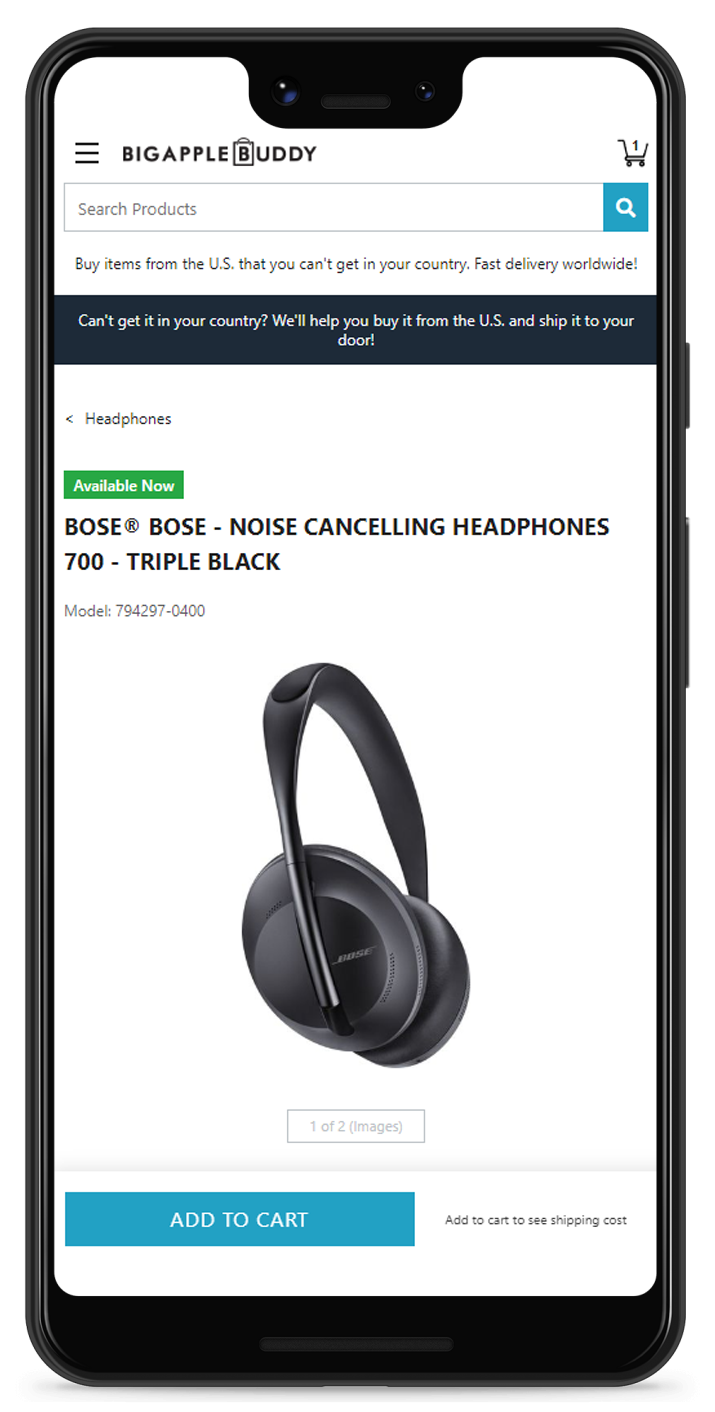
AVAILABLE FROM BIG APPLE BUDDY
Meta Starfire Kylie Edition
We buy it in the U.S. and ship it to your door in 75+ countries.
BUY THIS NOW
The Real Cost of Importing: Breaking Down the Landed Price
Many South African buyers are deterred by the assumption that importing the Meta Starfire Kylie Edition will be prohibitively expensive. However, a detailed analysis of the costs reveals a surprising price parity with locally available alternatives. The US retail price for the base model (Classic Black with standard lenses) starts at US$399, while the version with Clear-to-Grey Transitions lenses is priced at US$479. At an exchange rate of approximately R18 to the US dollar, the base unit converts to roughly R7,200 before any additional fees.
When you factor in international shipping, service fees from the import concierge, and South African customs duties, the final landed cost increases significantly. South Africa does not have a de minimis threshold for imports; VAT and duty apply to every single item, regardless of value. The standard import VAT rate is 15%, calculated on the Added Tax Value (ATV). The ATV formula includes the customs value plus a 10% upliftment for goods originating outside the Southern African Customs Union (which includes the US), plus any applicable customs duty.
While many electronics enjoy a 0% ordinary customs duty under the WTO Information Technology Agreement, smart glasses can sometimes fall under different HS codes that might attract a small duty. Assuming 0% duty, the calculation for the base model (R7,200) would involve a 10% upliftment (R7,920) plus 15% VAT (R1,188), totaling roughly R9,108 in taxes alone, before shipping. Including shipping and service fees, the final all-in cost for the Kylie Edition typically lands between R10,000 and R12,500. This places it in the same price bracket as the locally available Gen 1 Ray-Ban Meta models, meaning you pay similar money but get the exclusive Kylie design and voice instead of the standard frame.
Decision Matrix: Local vs. Imported Kylie Edition
For the South African buyer, the choice is rarely between "buying or not buying" smart glasses. It is a strategic decision between purchasing a standard Ray-Ban Meta locally or importing the exclusive Kylie Edition. Both paths offer the same core hardware capabilities: a 12MP camera, open-ear audio, and hands-free photo/video capture. The differentiator lies in the aesthetics, the AI personality, and the logistics involved.
The following table outlines the key trade-offs to help clarify the decision:
| Feature | Local Ray-Ban Meta (180by2 / ZEEK) | Imported Kylie Edition (US Import) |
|---|---|---|
| Availability | Immediate stock in South Africa | Import-only; requires shipping wait |
| Customs & Duty | None (Domestic sale) | 15% VAT + potential duty + shipping fees |
| Design | Standard Wayfarer/Skyler frames | Exclusive slim oval, gem accent, mirrored case |
| AI Voice | Standard Meta AI voice | Custom Kylie Jenner voice with signature phrases |
| Total Cost | R9,995 - R17,995 | R10,000 - R14,000 (estimated all-in) |
| Support | Local retailer warranty/support | US retail warranty; import handled by concierge |
Choosing the local option is the path of least resistance. You get the device today, with local payment methods and no customs paperwork. However, if the specific Kylie design elements, the collectible nature of the collaboration, or the unique AI voice are your primary motivations, the local standard models will not suffice. The Kylie Edition offers a level of exclusivity that cannot be replicated by buying the standard Ray-Ban Meta locally, even at a similar price point.
Navigating Customs: VAT, Duty, and the Import Process
Importing the Meta Starfire Kylie Edition into South Africa requires a clear understanding of the customs landscape to avoid unexpected costs or delays. The process is governed by the South African Revenue Service (SARS) and the specific classification of the item. As mentioned, South Africa has no tax-free threshold, meaning the 15% VAT applies to the entire value of the import.
The calculation for the Added Tax Value (ATV) is crucial. For goods from the US (outside the SADC zone), SARS applies a 10% upliftment to the customs value. This means the VAT is calculated on a value that is 10% higher than the actual purchase price. If the glasses are classified under an HS code that attracts duty (which is possible for hybrid optical-electronic devices), that duty is added to the ATV before the 15% VAT is calculated. While the WTO Information Technology Agreement often grants 0% duty to electronics, buyers should verify the specific classification for smart glasses.
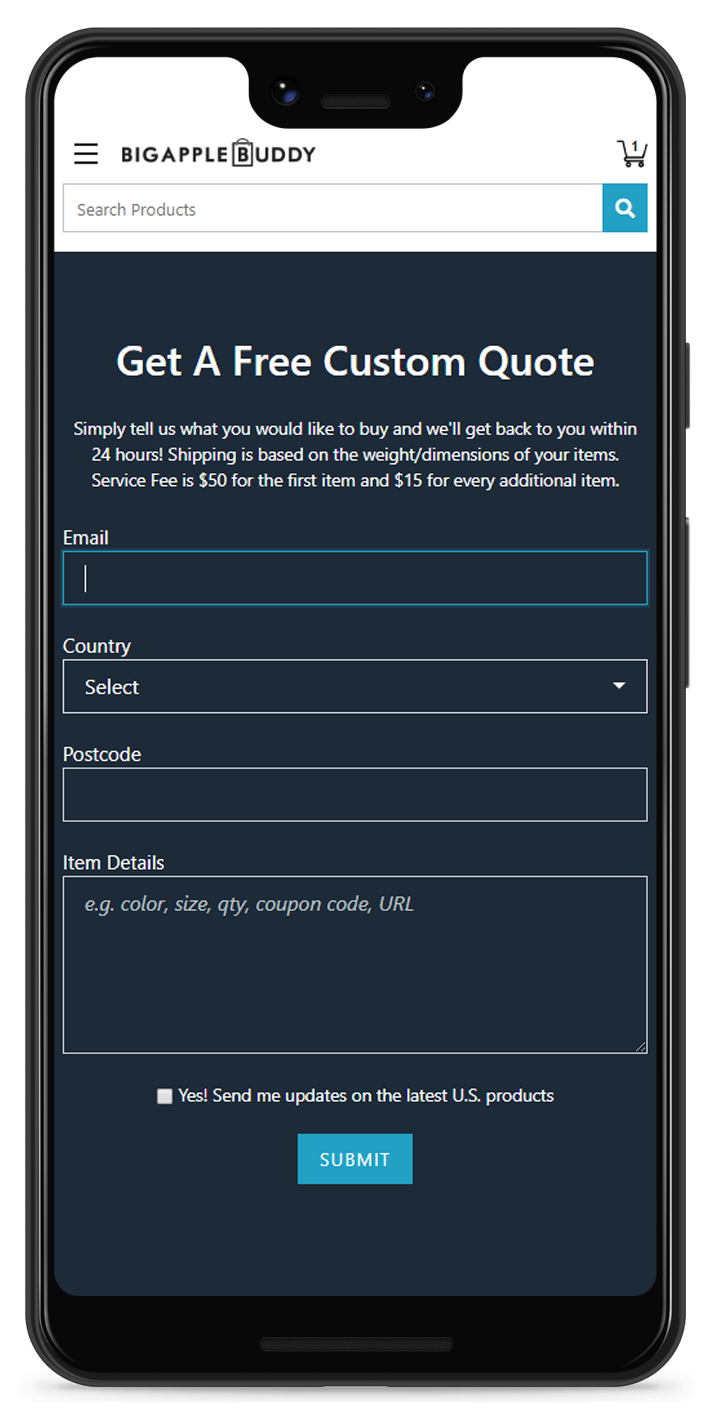
To simplify this process, many South African consumers utilize international shopping services like Big Apple Buddy. These services act as a US buyer, purchasing the item from authorized retailers like Best Buy or Meta.com, and then handling the shipping and customs clearance. They can offer quotes that are either DDP (Delivered Duty Paid, where taxes are prepaid) or DDU (Delivered Duty Unpaid, where the buyer pays upon arrival). Using such a service ensures that the commercial invoice is correctly prepared and that the item is classified accurately, minimizing the risk of seizure or surprise fees at the airport or courier depot.