Direct Shipping Availability and Costs
For individuals living in Singapore who require regular gluten testing, the availability of Nima Gluten Capsules is a critical logistical consideration. Fortunately, Nima directly supports international shipments to Singapore, positioning it alongside the United States and Canada as a primary market. This direct-to-consumer model eliminates the need for third-party distributors for the core product, though it does require careful navigation of international shipping rates and currency conversions.
Pricing and Currency Conversion
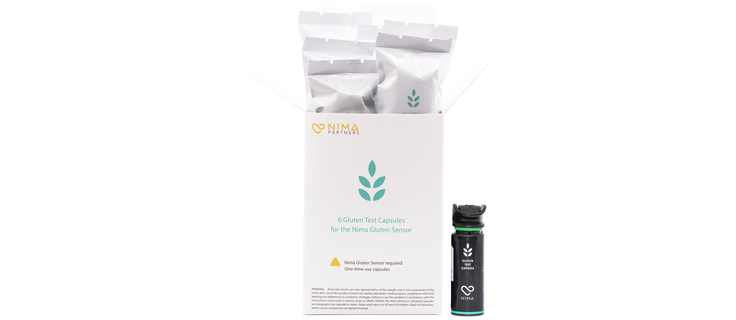
When purchasing directly from the Nima website, the base price for a 6-pack of capsules is listed at US$72.00. However, for Singapore-based customers, the storefront typically displays the price in Singapore Dollars (SGD). As of recent data, the SGD equivalent is approximately S$102.00. It is important to note that this figure may or may not include Goods and Services Tax (GST), depending on the retailer's tax registration status under the Overseas Vendor Registration (OVR) regime. At a typical exchange rate of 1 USD to 1.28 SGD, the raw conversion suggests a value around S$92.00, but the final checkout price will reflect the retailer's specific currency display settings.
Shipping Rates and Carriers
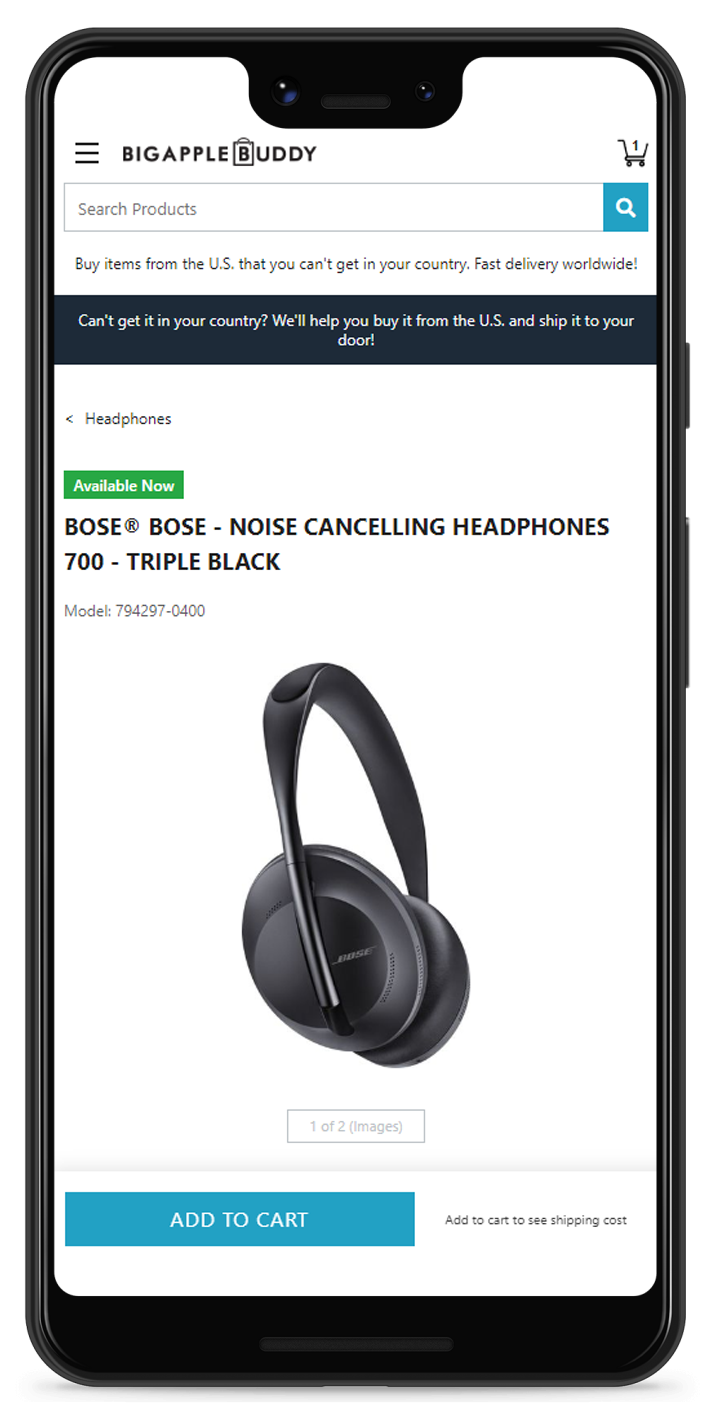
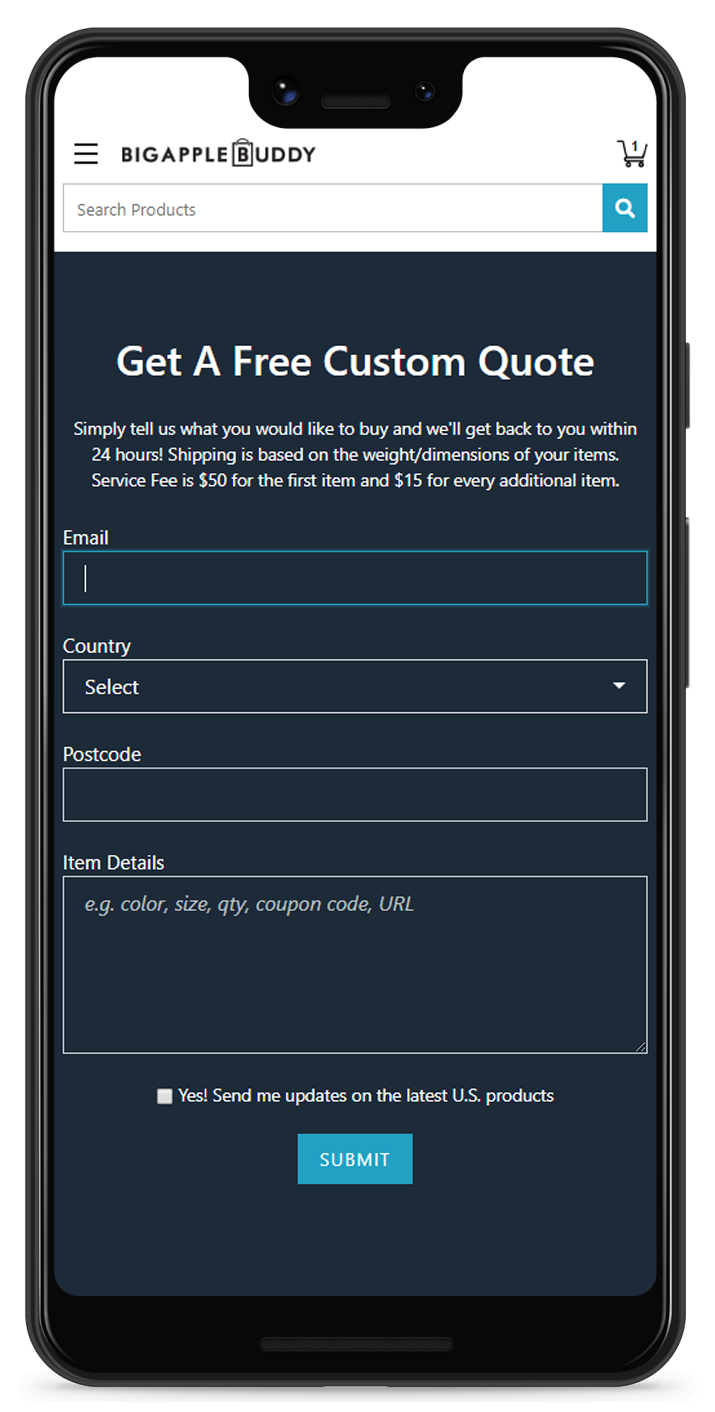
Shipping costs to Singapore are calculated at checkout and are generally handled by DHL Express Worldwide. Live data from October 2026 indicates that a single box of capsules incurs a shipping fee of approximately US$38.42 (roughly S$49.21). This rate remains consistent whether you are ordering one box or multiple boxes, making bulk purchasing economically advantageous. The standard delivery timeframe is 3 to 4 business days, ensuring that testers can maintain a steady supply of capsules without prolonged waiting periods. For those who find direct shipping costs prohibitive or who wish to consolidate purchases, international reshipping services like Big Apple Buddy offer an alternative. Big Apple Buddy can purchase the capsules from US retailers and ship them to Singapore, though this method introduces additional handling fees and potential warranty complexities, as Nima’s policy states that orders sent through freight forwarders are at the customer’s risk.
Customs, GST, and Import Regulations
Understanding the tax implications of importing Nima Gluten Capsules into Singapore is essential for accurate budgeting. Singapore’s customs and tax regulations are straightforward for low-value consumer goods, but specific thresholds apply.
Customs Duties
Fortunately, customs duty is not applicable to Nima Gluten Capsules. Singapore imposes duties only on four specific categories of goods: intoxicating liquors, tobacco products, motor vehicles, and petroleum products. Since gluten test capsules do not fall into any of these categories, you will not incur any duty charges upon import. This makes the landed cost of the product significantly more predictable compared to other international purchases.
Goods and Services Tax (GST)
The primary tax consideration is the 9% Goods and Services Tax (GST). Under Singapore’s Low-Value Goods (LVG) scheme, GST is collected at the point of sale if the overseas seller is registered for GST in Singapore. If Nima is OVR-registered, the 9% GST will be added to your total at checkout. If the seller is not registered, GST is only charged at import if the total CIF (Cost, Insurance, and Freight) value of the shipment exceeds S$400.
| Order Value (CIF) | GST Status | Who Collects GST? |
|---|---|---|
| ≤ S$400 | No GST (if seller not registered) | N/A |
| ≤ S$400 | 9% GST applied | Seller at Checkout |
| > S$400 | 9% GST applied | DHL/Carrier at Import |
A single box of capsules (approx. S$102 + S$49 shipping) totals well below the S$400 threshold. Therefore, if the seller is not GST-registered, no tax is due. However, if you purchase multiple boxes or a sensor bundle that pushes the CIF value over S$400, DHL will collect the 9% GST upon delivery to Singapore.
AVAILABLE FROM BIG APPLE BUDDY
Nima Gluten Capsules 6-Pack (refill test capsules for the Nima portable gluten sensor)
We buy it in the U.S. and ship it to your door in 75+ countries.
BUY THIS NOW

Sensor Compatibility and Re-Qualification
While the capsules themselves are straightforward to import, their usability depends entirely on the condition of your NIMA Sensor. Singapore buyers, particularly those who may have purchased their sensor from older stock or second-hand markets, must be aware of the re-qualification process required for newer capsule versions.
Generational Differences
Nima has updated its capsule technology, and older sensors (typically those purchased before 2026) may not be immediately compatible with the current generation of capsules. To ensure accurate readings, older sensors must undergo a re-qualification procedure. This process involves using the sensor to test three known gluten-free samples, effectively calibrating the device to the new capsule chemistry.
Implications for Singapore Buyers
This re-qualification step has two significant implications for international buyers:
- Wasted Capsules: The three capsules used for re-qualification are single-use and cannot be returned. Therefore, when ordering your first box of capsules in Singapore, you should account for the potential loss of three tests if your sensor is older.
- App Connectivity: While older sensors can often display results on the device screen after re-qualification, pairing with the NIMA Now app may not function correctly. This can limit your ability to log results digitally, which is a key feature for many celiac patients tracking their exposure.
If you are purchasing a sensor and capsules together, ensure you are buying the latest generation bundle to avoid this issue. If you already own a sensor, check Nima’s re-qualification page for specific instructions before placing your capsule order.
Alternative Sourcing and Marketplace Availability
While direct shipping from Nima is the most reliable method, many Singapore shoppers look to local e-commerce platforms for convenience. However, the availability of Nima Gluten Capsules on local marketplaces remains uncertain and inconsistent.
Local Retailers
Major health and beauty retailers in Singapore, such as Guardian and Watsons, do not currently stock Nima Gluten Capsules. Similarly, online giants like Lazada SG and Shopee SG have shown limited or no consistent inventory for this specific product. Automated checks have frequently returned errors or empty results, suggesting that official distribution agreements with these platforms are either non-existent or highly restricted.
Amazon.sg and Third-Party Sellers
Amazon.sg also presents a mixed picture. While some third-party sellers may list the capsules, availability is not guaranteed, and there is a heightened risk of receiving expired stock. Given that Nima capsules have a shelf life of approximately 12 months from manufacture, purchasing from unverified third-party sellers on local marketplaces can be risky. Always check the expiry date on the box before accepting delivery.
Consolidated Shipping Services
For those who need to combine Nima capsules with other US purchases, services like Big Apple Buddy provide a viable workaround. These services allow you to ship multiple items from various US retailers to a single Singapore address. This can be cost-effective if you are buying other gluten-free products, kitchen appliances, or books from the US. However, be aware that using a reshipper may void warranty support for the sensor, as Nima’s policy explicitly states that orders sent through freight forwarders are at the customer’s risk. For the capsules themselves, the risk is minimal, but for the sensor, direct purchase is strongly recommended.
Storage and Shelf Life in Tropical Climates
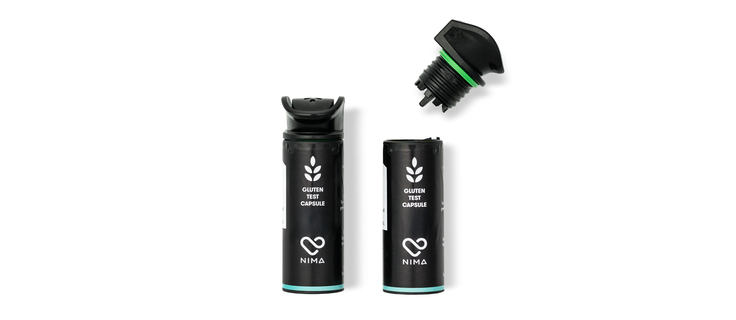
Singapore’s tropical climate, characterized by high humidity and consistent warmth, presents unique challenges for storing chemical-based testing products. Nima Gluten Capsules are sensitive to environmental conditions, and improper storage can compromise their efficacy.
Temperature and Humidity Guidelines
The manufacturer specifies that capsules should be stored in a cool, dry place between 0°C and 32°C (32°F to 90°F). While Singapore’s ambient temperature rarely exceeds 32°C, the high humidity is a significant concern. Moisture can degrade the capsule’s internal components, leading to inaccurate test results or device errors.
- Avoid Bathrooms: Do not store capsules in bathroom cabinets due to steam and humidity fluctuations.
- Use Airtight Containers: Keep the capsules in their original packaging and consider placing the box in an airtight container with desiccant packs.
- Avoid Direct Sunlight: Keep the product away from windows or direct sunlight, which can raise the internal temperature of the packaging.
Shelf Life Management
Each box has an expiry date printed on it. Under ideal storage conditions, the capsules remain stable for about 12 months from the date of manufacture. Given the shipping time and potential delays in customs, it is prudent to check the expiry date immediately upon arrival. If the expiry date is less than 6 months away, consider negotiating a discount or contacting the seller, as you will have limited time to use the six tests before they expire. For long-term storage, a dedicated cupboard in an air-conditioned room is the best option.