Display Fidelity and Visual Performance: The Core Experience
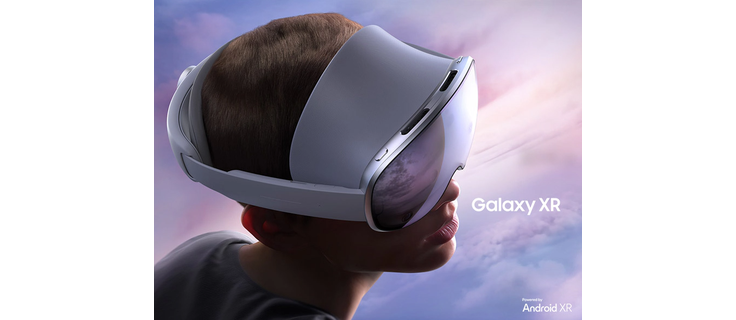
When evaluating the Samsung Galaxy XR, the display technology serves as the primary differentiator in the mixed reality market. This headset utilizes dual 4K micro-OLED panels sourced directly from Sony, delivering a staggering 3,552 x 3,840 resolution per eye. The result is a pixel density of 4,032 pixels per inch, a specification that effectively eliminates the notorious screen-door effect found in earlier generations of VR hardware. For users accustomed to the crisp text of high-end monitors, the visual clarity here is transformative.
Color Accuracy and HDR Support
The visual experience is further elevated by support for HDR10 and HLG (Hybrid Log-Gamma) standards. This ensures that content consumed on the device, from streaming movies to immersive 3D environments, retains deep blacks and vibrant colors that rival or slightly exceed the visual fidelity of the Apple Vision Pro. The 109-degree horizontal and 100-degree vertical field of view provides an immersive envelope that feels expansive without inducing motion sickness in most users.
Refresh Rate Versatility
While the default refresh rate is set to 72Hz, the system supports 60Hz and 90Hz modes. This flexibility allows users to balance battery life against visual smoothness depending on the application. Whether you are engaging in fast-paced gaming or browsing a virtual workspace, the micro-OLED technology ensures that motion remains fluid and crisp. For a complete overview of the hardware specifications and how they translate to daily use, see our full guide on Samsung Galaxy XR review.
Performance, AI Integration, and the Android XR Ecosystem
The Samsung Galaxy XR is not merely a hardware showcase; it is the debut of Android XR, a new operating system built from the ground up for spatial computing. At the heart of this experience lies the Qualcomm Snapdragon XR2+ Gen 2 processor. With a 20% higher CPU frequency and 15% higher GPU frequency than the standard XR2 Gen 2 found in competitors like the Meta Quest 3, the chipset delivers robust performance for complex mixed reality tasks.
Gemini AI: The System-Level Advantage
What truly sets the Galaxy XR apart is the deep integration of Google's Gemini AI. Unlike other headsets where AI is an add-on feature, here it is woven into the system level. This allows for natural voice interactions, intelligent context awareness, and seamless assistance with productivity tasks. The AI can help organize virtual windows, summarize content, and even manage the headset's settings based on user behavior.
Software Maturity and Compatibility
While the hardware is impressive, the software ecosystem is still maturing. The device launched with over 50 XR-optimized apps and has since grown to over 100. Fortunately, the open nature of Android XR means that most existing apps from the Google Play Store are compatible. However, users should be aware that the software currently has some bugs that Samsung and Google are actively patching. For international customers who may face regional availability restrictions, the device can often be purchased through Big Apple Buddy, who sources from US retailers and ships globally, ensuring you can access this cutting-edge technology regardless of your location.
AVAILABLE FROM BIG APPLE BUDDY
Samsung Galaxy XR review
We buy it in the U.S. and ship it to your door in 75+ countries.
BUY THIS NOW
Comparative Analysis: Galaxy XR vs. The Competition
Understanding the value proposition of the Samsung Galaxy XR requires a direct comparison with the market leaders. Positioned between the budget-friendly Meta Quest 3S and the ultra-premium Apple Vision Pro, the Galaxy XR occupies a unique middle ground. It offers roughly 80% of the Apple Vision Pro experience at half the price, making it a compelling alternative for those sensitive to cost but unwilling to compromise on visual quality.
Head-to-Head Comparison
The following table breaks down the key metrics between the Galaxy XR and its primary competitors:
| Feature | Samsung Galaxy XR | Apple Vision Pro | Meta Quest 3 |
|---|---|---|---|
| Price | $1,799 | $3,499 | $499 |
| Display Type | Dual 4K micro-OLED | Dual 4K micro-OLED | LCD Panels |
| Weight | 545g | 650g | ~515g |
| Processor | Snapdragon XR2+ Gen 2 | M2 + R1 | Snapdragon XR2 Gen 2 |
| AI Integration | Gemini (System Level) | Apple Intelligence | Meta AI (Limited) |
| OS | Android XR | visionOS | Android-based |
Where the Galaxy XR Wins
The Galaxy XR surpasses the Meta Quest 3 in display quality, AI integration, and passthrough clarity. While the Quest 3 offers a larger game library and better hand tracking in fast-motion scenarios, the Galaxy XR's superior visuals and open platform make it the better choice for productivity and media consumption. Conversely, while the Vision Pro wins on processing power and software polish, the Galaxy XR counters with a lighter form factor and significantly lower cost.
Practical Usage: Battery, Comfort, and Accessories
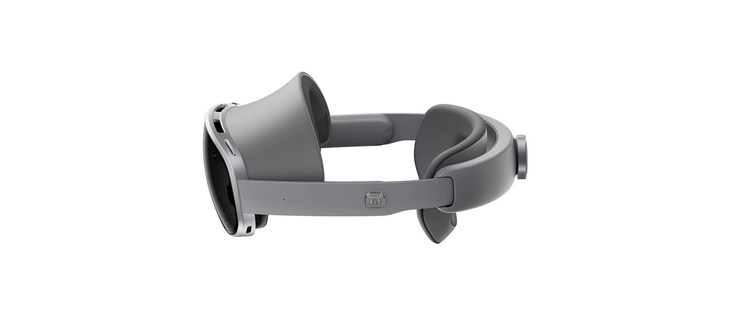
For potential buyers, understanding the real-world limitations of the Samsung Galaxy XR is just as important as knowing its specs. The headset is designed with a balanced aluminum frame and a soft mesh strap to distribute weight evenly. At 545 grams with the forehead cushion, it is roughly 100 grams lighter than the Apple Vision Pro, offering improved comfort for sessions under an hour.
Battery Life Constraints
The most significant trade-off is battery life. The external battery pack provides approximately 2 hours of general use and 2.5 hours of video playback. While the headset can be used while charging, the reliance on an external pack means you are tethered to a power source for extended work sessions. Users planning long productivity workflows should keep the charger nearby or consider the limitations of the 2-hour window.
Interaction Methods
The device supports hand tracking, eye tracking with automatic motorized IPD adjustment (54-70mm range), and voice input as primary interaction methods. For most productivity tasks, media consumption, and general navigation, these methods are sufficient. However, for gaming, the optional controllers ($250 extra) are strongly recommended to enhance precision and control.
- Prescription Glasses: The headset accommodates standard glasses or pairs with third-party prescription lens inserts.
- Connectivity: Equipped with Wi-Fi 7 and Bluetooth 5.4 for future-proofed connectivity.
- Audio: Features two 2-way speakers and a six-microphone array for immersive spatial audio and clear voice calls.