The Reality of Domestic Availability in Japan
The landscape for the Samsung Galaxy Book6 Pro 14 inch (SKU 71515688) in Japan is defined by a stark absence of official distribution. As of 2026, Samsung Japan does not list the Galaxy Book series on their official consumer storefront (samsung.com/jp), nor is the device available at major domestic electronics retailers such as Bic Camera, Yodobashi Camera, Yamada Denki, or Edion. This is a deliberate market strategy by Samsung, which focuses its PC sales efforts on the US and Korean markets while relying on domestic partners like Dynabook and VAIO for the Japanese region.
For the Japanese consumer, the absence of domestic listings means that finding the Book6 Pro requires looking beyond the standard retail channels. While older models like the Galaxy Book4 and Book5 occasionally appear on Amazon.co.jp through third-party parallel importers, the latest Book6 Pro is completely absent from the domestic supply chain. Kakaku.com, the primary price aggregation service in Japan, does not index the Book6 Pro, serving as a definitive indicator that no official or semi-official domestic stock exists.
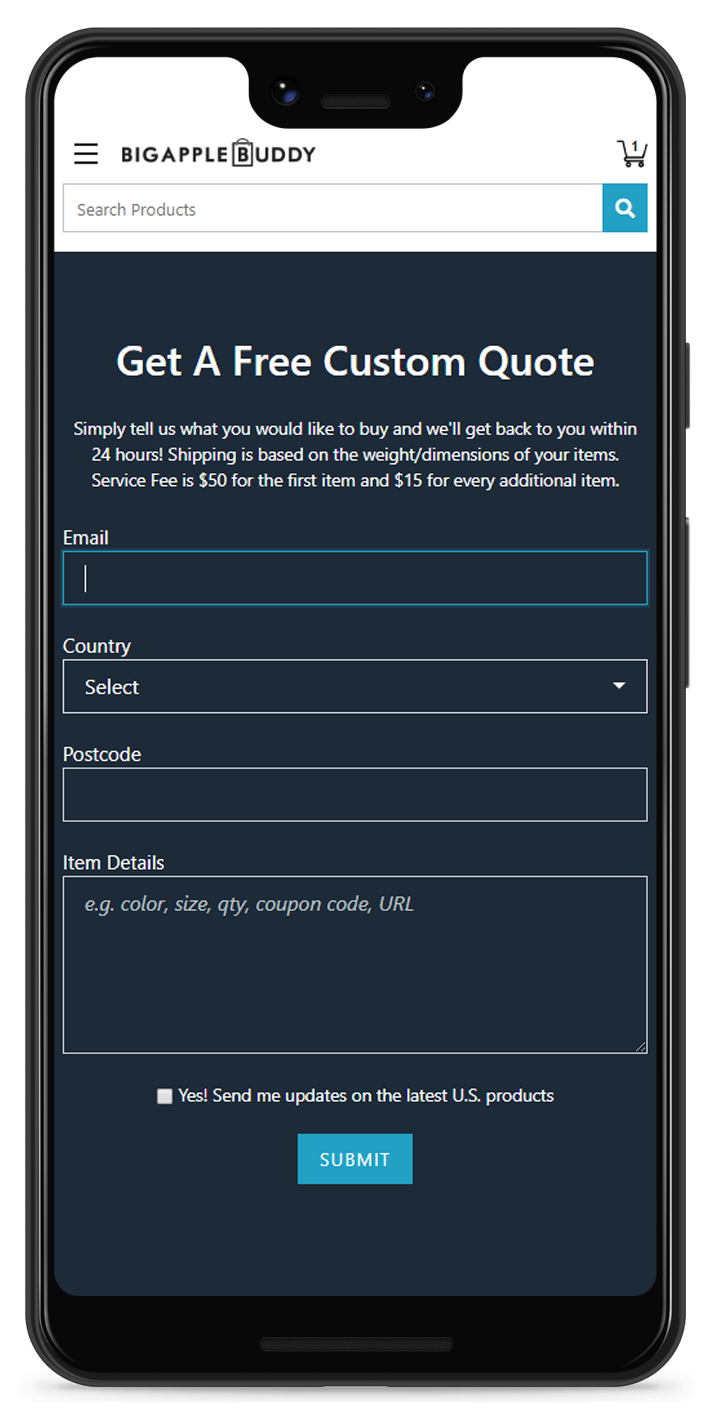
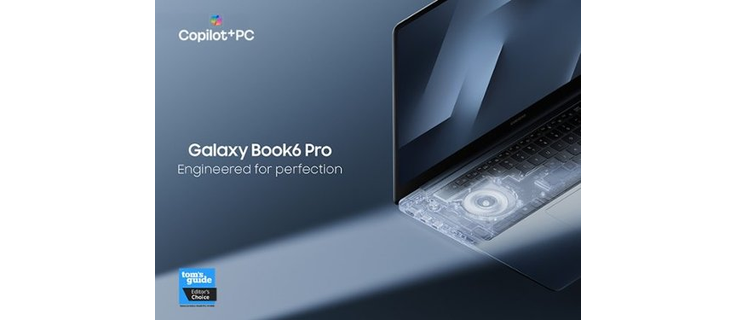
This gap in availability creates a specific opportunity for international shoppers. The device, launched at CES 2026 with a US price of $1,599.99, remains a unique offering in the global market due to its combination of a 3K AMOLED touchscreen and Copilot+ PC certification. For buyers in Japan who prioritize this specific hardware configuration, the only viable path is through international sourcing services, such as those offered by Big Apple Buddy, which allow customers to purchase directly from US retailers like Best Buy and have the unit shipped to Japan.
Customs, Taxes, and the True Cost of Import
Importing the Samsung Galaxy Book6 Pro 14 inch (SKU 71515688) into Japan involves navigating a specific set of customs regulations that significantly impact the final cost. Unlike many other electronics, portable computers fall under HS code 8471.30, which carries a 0% MFN tariff (import duty). However, the device is subject to Japan's 10% consumption tax, which is levied on the assessed value of the item upon entry.
The valuation method used by Japanese customs for personal imports is critical to understanding the tax burden. For items valued over the de minimis threshold of JPY 10,000 (which this laptop far exceeds), customs applies a 60% valuation rule. This means the tax is calculated on 60% of the foreign market price, not the full purchase price. For a laptop purchased at $1,599.99, the assessed value for tax purposes would be approximately JPY 150,000 (based on typical exchange rates), resulting in a consumption tax of roughly JPY 15,000. In addition to the tax, courier services acting as customs brokers typically charge a handling fee of JPY 1,000 to JPY 2,000.
- Import Duty: 0% (HS 8471.30)
- Consumption Tax: 10% on 60% of declared value
- Customs Clearance Fee: JPY 1,000–2,000 (courier dependent)
- Estimated Total Additional Cost: Approx. JPY 16,000–17,000
This calculation ensures that while the laptop is not exempt from taxation, the 60% valuation rule keeps the effective tax rate lower than the nominal 10% applied to the full retail price. Shoppers should budget for these additional costs when calculating the total price of the device compared to domestic alternatives.
AVAILABLE FROM BIG APPLE BUDDY
Samsung Galaxy Book6 Pro 14 inch
We buy it in the U.S. and ship it to your door in 75+ countries.
BUY THIS NOW
Hardware Compatibility: Keyboard Layout and Power
One of the most critical considerations for Japanese buyers importing the US-market Samsung Galaxy Book6 Pro 14 inch is the physical keyboard layout. The unit sold via Best Buy (SKU 71515688) comes with a standard US ANSI keyboard. This layout differs significantly from the Japanese JIS (Japanese Industrial Standard) layout found in domestic laptops. The US layout lacks the dedicated henkan (conversion) and muhenkan (non-conversion) keys, and the hiragana/katakana toggle key is replaced by the backtick (`) key. Furthermore, the placement of punctuation marks such as the @ symbol, brackets, and colon is shifted to accommodate the ANSI standard.
While Windows 11 Home includes full support for the Japanese language, including the Microsoft IME for kana/kanji input, the physical typing experience will require an adjustment period. Users accustomed to the JIS layout may find the key placement for programming or everyday typing less intuitive. However, many developers and power users actually prefer the US ANSI layout for its simplicity and standard key spacing.
Power and Connectivity
Fortunately, power compatibility is a non-issue. The included 65W USB-C power adapter is designed for universal input, supporting voltages from 100V to 240V and frequencies of 50/60Hz. This means the adapter is fully compatible with Japan's 100V electrical grid without the need for a voltage converter or transformer. Additionally, the plug type is a standard US Type A (two flat blades), which fits directly into Japanese wall outlets. This seamless hardware compatibility ensures that the laptop can be used immediately upon arrival in Japan without any electrical modifications.
Warranty Limitations and Service Realities
Perhaps the most significant trade-off for importing the Samsung Galaxy Book6 Pro 14 inch is the warranty coverage. Samsung's warranty policy for laptops is strictly region-locked. The warranty provided with the US-market unit (SKU 71515688) is valid only within the United States. Samsung Japan does not honor warranties for devices purchased outside of Japan, primarily because they do not maintain a service infrastructure for the Galaxy Book line domestically. This means that if the device experiences a hardware failure, the owner cannot simply visit a local Samsung service center for repairs.
In the event of a defect, the repair process would involve shipping the laptop back to the United States to an authorized service center. This logistical hurdle adds time, cost, and complexity to the ownership experience. Buyers must weigh the benefits of the superior hardware (3K AMOLED, Copilot+ NPU) against the risk of limited local support. Some international shopping services, like Big Apple Buddy, offer extended international warranty options at the time of purchase, which can provide a layer of protection for cross-border buyers. It is essential to verify if such options are available for the specific retailer and product before finalizing the order.
The lack of domestic warranty support is a standard consequence of importing electronics into Japan. While this is manageable for users with technical expertise or those who rely on the device's reliability, it is a factor that domestic buyers do not face with laptops from Dynabook, VAIO, or NEC.