Navigating the Purchase: How to Get the Galaxy XR in Singapore
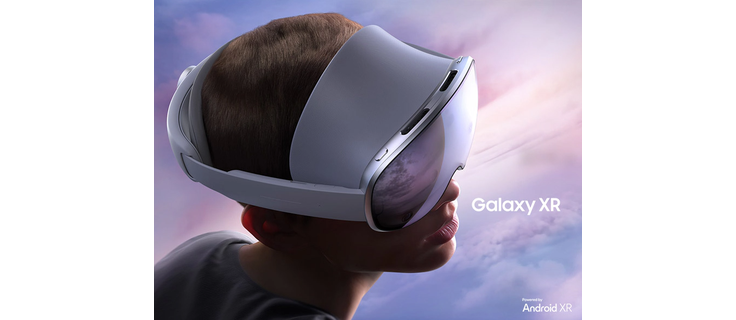
For tech enthusiasts in Singapore eager to acquire the Samsung Galaxy XR, the path is clear despite the device not yet having an official local launch. As of late 2025 and into 2026, the Samsung Galaxy XR is officially sold in the United States and South Korea, with Singapore not yet on the immediate official expansion list. However, this does not mean Singaporeans are locked out. The most efficient and reliable method for Singapore buyers is to utilize a personal shopping and forwarding service, such as Big Apple Buddy, which bridges the gap between US retailers and your doorstep in Singapore.
When you decide to buy Samsung Galaxy XR in Singapore, the process begins by placing your order through the US Samsung store. Since the device is priced at US$1,799 (approximately S$2,303), you will need a US shipping address to complete the transaction. This is where a service like Big Apple Buddy becomes invaluable. They provide you with a dedicated US address, handle the purchase on your behalf, and then manage the international logistics to deliver the headset to Singapore. This approach is not only seamless for Singapore but is also the standard method for buyers in nearby regions like Malaysia, Hong Kong, and Taiwan who wish to access US-exclusive tech releases.
Unlike traditional courier forwarding services that simply forward packages, Big Apple Buddy offers a more integrated experience. They can handle the initial purchase if you prefer not to use a US credit card, or they can simply act as your receiving agent. Once the headset arrives at their US warehouse, they inspect the package, repack it if necessary, and arrange for the fastest international shipping options to Singapore. This ensures that your high-value electronics arrive safely and quickly, minimizing the risk of damage or loss during the long journey.
Shipping Routes and Delivery Times to Singapore
One of the most common questions for anyone trying to buy Samsung Galaxy XR in Singapore is, "How long will it take to arrive?" The good news is that Singapore is a global logistics hub, and the shipping infrastructure is among the best in the world. When you order through a service like Big Apple Buddy, you typically have access to premium express shipping options that are far superior to standard mail services.
Express Shipping Options
For the Samsung Galaxy XR, which is a high-value item, we strongly recommend using express carriers such as DHL Express, FedEx International Priority, or UPS Worldwide Saver. These carriers are renowned for their speed and reliability when shipping electronics to Singapore. DHL Express is often considered the gold standard for this route, typically delivering packages within 2 to 3 business days from the US. This means that if you place your order on a Monday, you could have your new Galaxy XR in your hands by Wednesday or Thursday of the following week.
Other carriers like FedEx and UPS offer similar speed, with delivery times generally ranging from 3 to 5 business days. For those who are not in a rush and are looking to save a few dollars on shipping costs, economy options like FedEx Economy or UPS Expedited are available. These options typically take 5 to 9 business days. However, given the premium nature of the Galaxy XR and the need for speed to ensure the product arrives before any potential price changes or stock fluctuations, the express options are the preferred choice for most Singapore buyers.
It is worth noting that this shipping efficiency is consistent for other Southeast Asian markets as well. Buyers in Thailand and Indonesia often see similar delivery windows, though Singapore's customs clearance is typically faster due to its streamlined digital infrastructure. The same applies to buyers in South Korea and Japan, who can often receive their US orders even faster due to the shorter flight paths.
AVAILABLE FROM BIG APPLE BUDDY
Samsung Galaxy XR
We buy it in the U.S. and ship it to your door in 75+ countries.
BUY THIS NOW
Understanding Costs: GST, Duties, and Total Landed Price
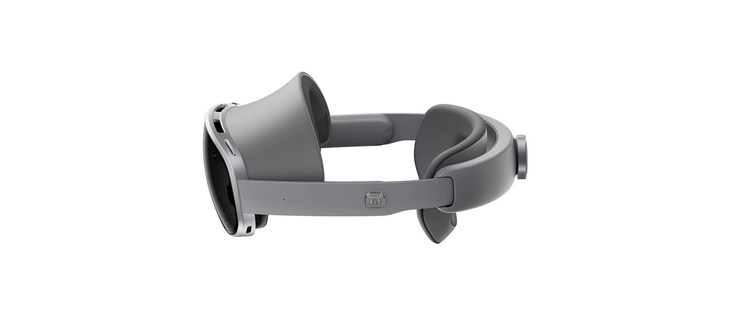
When purchasing the Samsung Galaxy XR in Singapore from the US, it is crucial to understand the total cost, which includes the product price, shipping fees, and local taxes. Singapore is known for being an import-friendly city-state, but there are specific tax regulations that apply to electronics like the Galaxy XR.
The GST Factor
The most significant cost component to be aware of is the Goods and Services Tax (GST). Singapore imposes a 9% GST on all imported goods. While there is no customs duty on consumer electronics like VR headsets, the GST applies to the total value of the shipment, which includes the product price and shipping costs. Since the Samsung Galaxy XR retails at US$1,799 (approx. S$2,303) plus shipping, it easily exceeds the S$400 threshold where GST is applicable.
Here is a breakdown of the estimated costs for a Singapore buyer:
- Product Price (US$1,799): Approximately S$2,303
- Optional Controllers (US$250): Approximately S$320
- Shipping (Express): Approximately S$40–S$80
- Customs Processing Fee: Typically S$10–S$25 (charged by the carrier)
- 9% GST: Calculated on the sum of the above, roughly S$207–S$240
This brings the total landed cost for the headset alone to approximately S$2,550–S$2,650. If you add the controllers, the total cost rises to roughly S$2,800–S$2,900. It is important to note that these figures are approximate and can fluctuate slightly based on the daily exchange rate between the USD and SGD.
Comparison with Local Alternatives
While the Galaxy XR is a premium product, it is positioned competitively against other high-end devices. For context, the Apple Vision Pro, which is not officially sold in Singapore and would incur similar import costs, retails at roughly S$4,479. On the more affordable end, the Meta Quest 3 is officially available in Singapore for around S$720, and the Meta Quest 3S is available for S$440–S$580. The Galaxy XR sits in a unique premium mid-range position, offering cutting-edge display technology and a premium Android XR experience for a fraction of the Apple Vision Pro's cost.
Compatibility, Warranty, and Local Usage
Once your Samsung Galaxy XR arrives in Singapore, the next concern is whether it will work seamlessly with your local setup. The answer is overwhelmingly yes, but there are a few practical details to keep in mind regarding power, network, and support.
Power and Plugs
The Samsung Galaxy XR charges via a USB-C connection, which is a universal standard. This means you do not need a voltage converter or a transformer. Singapore operates on 230V/50Hz, which is compatible with USB-C charging standards worldwide. However, the physical plug shape is different. The US uses Type A/B plugs, while Singapore uses Type G (three-pin rectangular plugs). The Galaxy XR's external battery pack and charging cables will work perfectly, but you may need a simple plug adapter to connect the included charger to a Singapore wall outlet. Most travelers and tech enthusiasts in Singapore already have a collection of these adapters, but it is a good item to have on hand.
Network and Software
The Galaxy XR is a standalone device that relies on Wi-Fi for connectivity and does not use cellular bands. This eliminates any concerns about network compatibility. The device runs on Android XR with full access to Google Play services, which are fully available and functional in Singapore. While the device will work perfectly, be aware that some US-centric content or specific app features might have regional restrictions. However, the core experience, including virtual desktops, gaming, and productivity apps, will be fully accessible.
Warranty Considerations
This is the one area where buying from the US requires careful consideration. The Samsung US warranty typically does not extend internationally. This means that if your Galaxy XR experiences a hardware defect, you cannot simply walk into a Samsung Service Centre in Singapore for a free repair. You would need to contact the US retailer or ship the device back to the US for service. For a device costing nearly S$2,600, this is a significant factor to weigh. Some buyers opt for third-party international insurance or rely on the robustness of the device itself. Alternatively, if you are in South Korea, you might find slightly better warranty portability for Samsung products, but for Singapore, the lack of local warranty is the primary trade-off for accessing the US version.