Introduction: A New Era of Spatial Computing
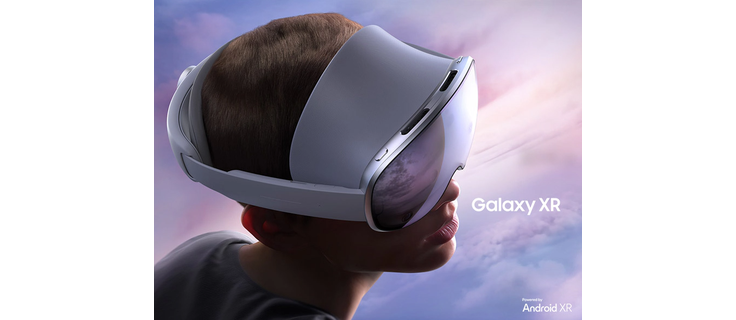
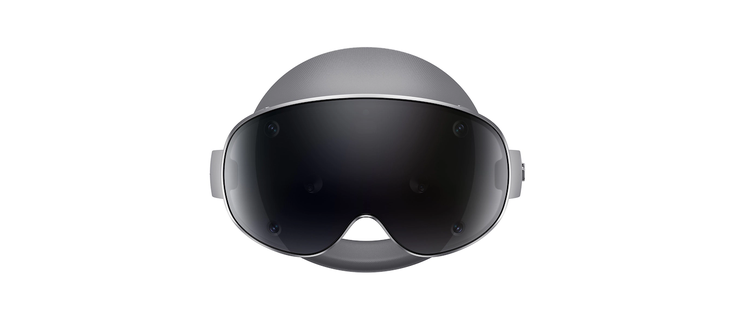
The technology landscape has long awaited a device that truly bridges the gap between the physical and digital worlds. Enter the Samsung Galaxy XR, a landmark product that represents the culmination of a strategic tripartite partnership between Samsung, Google, and Qualcomm. Unveiled as the successor to the Gear VR era, the Galaxy XR is not merely a virtual reality headset; it is a sophisticated pair of smart glasses designed for augmented and mixed reality (AR/MR) experiences. This device marks a pivotal moment for the Android ecosystem, offering a lightweight, wearable form factor that integrates seamlessly with the real world through advanced see-through displays.
Unlike the bulky headsets of the past, the Galaxy XR aims to be a daily companion. By leveraging Samsung's dominance in display manufacturing and Google's expansive software ecosystem, it delivers a user experience that feels natural and intuitive. For international customers seeking the next evolution in personal computing, this device offers a compelling alternative to existing market leaders. While availability varies by region, global enthusiasts can access this cutting-edge technology through international ecommerce channels.
Hardware Excellence: Displays, Chipset, and Design
At the heart of the Samsung Galaxy XR lies a hardware configuration designed to push the boundaries of what is possible in a wearable device. The most striking feature is the dual see-through display system. Utilizing Samsung's proprietary micro-OLED or micro-LED technology, these displays offer exceptional brightness, deep contrast ratios, and high pixel density. This technology effectively minimizes the notorious "screen-door effect" that plagued earlier XR devices, ensuring that digital overlays appear crisp and vibrant even in bright outdoor environments.
Power and Performance
Processing power is delivered by a custom Qualcomm Snapdragon XR chipset, likely a variant of the XR2+ Gen 2. This silicon is optimized specifically for spatial computing workloads, enabling smooth, low-latency rendering of 3D content. This is crucial for mixed reality, where virtual objects must interact realistically with the physical environment. The device features advanced passthrough cameras that enable full mixed reality, allowing the glasses to map the physical space and place digital objects with precision.
Design and Portability
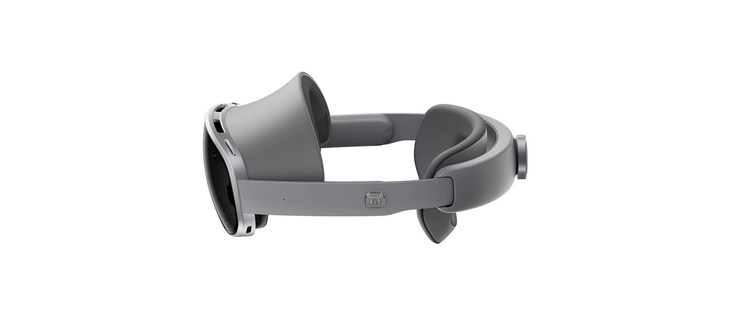
Samsung has prioritized wearability. The device folds for portability and includes a dedicated charging case. Weighing under 100 grams (excluding external accessories), it is significantly lighter than competitors like the Apple Vision Pro. While not as light as standard eyeglasses, the ergonomic design allows for comfortable sessions of 1-3 hours of active use. The device supports optional prescription lens compatibility and features tinted or photochromic lens options for outdoor visibility.
AVAILABLE FROM BIG APPLE BUDDY
Samsung Galaxy XR
We buy it in the U.S. and ship it to your door in 75+ countries.
BUY THIS NOW
Software Ecosystem: Android XR and Google Gemini AI
The Samsung Galaxy XR is powered by Android XR, Google's dedicated operating system for spatial computing. This is a game-changer for the industry, moving away from closed ecosystems to an open platform that leverages the vast library of the Google Play Store. Users have access to a growing collection of XR-optimized applications, as well as standard Android apps that run in floating windows within the AR environment.
AI Integration
Perhaps the most revolutionary aspect is the deep integration of Google Gemini AI. This is not just a voice assistant; it is a context-aware AI that can see and understand the wearer's environment. Imagine looking at a foreign menu and having the text translated in real-time overlaid on the glass, or asking the AI to identify a plant while walking through a garden. The AI can provide real-time visual understanding, live language translation, and conversational assistance that is aware of what you are looking at.
Google Services Integration
The device integrates seamlessly with core Google services. Google Maps provides immersive navigation with AR directions overlaid on the real world, making it easier to follow routes without staring at a phone screen. Users can also access Google Search and Translate directly through their field of view, turning the glasses into a powerful information retrieval tool.
Ecosystem Synergy and Productivity Features
One of the strongest selling points of the Samsung Galaxy XR is its deep integration with the broader Samsung Galaxy ecosystem. For users who already own a Samsung smartphone, tablet, or watch, the Galaxy XR acts as the ultimate extension of their digital life. The device pairs seamlessly to enable features like call forwarding, notification mirroring, and Samsung Health integration for fitness tracking.
- Smart Home Control: Users can control Samsung SmartThings devices with AR overlays, visualizing the status of lights, locks, and appliances directly in their physical space.
- Galaxy AI Features: Features like "Circle to Search" are adapted for the XR context, allowing users to interact with their environment using natural gestures.
- Productivity: The glasses support floating windows for documents, spreadsheets, and video calls. This transforms the device into a powerful productivity tool for knowledge workers who need a multi-monitor experience without the physical bulk.
For enterprise users, the Galaxy XR supports remote assistance, 3D design visualization, and medical imaging overlays. The combination of Samsung Knox security and Google Workspace integration makes it a viable option for businesses looking to deploy spatial computing solutions.
Market Position and Competitive Analysis
The Samsung Galaxy XR enters a crowded but rapidly evolving market. Its primary competitor is the Apple Vision Pro, which set the standard for premium spatial computing at a price point of $3,499. While the Vision Pro offers arguably the highest fidelity, the Galaxy XR aims to undercut this significantly, positioning itself in the $1,299 to $1,599 range. This pricing strategy makes it a more accessible option for early adopters who want premium features without the ultra-premium price tag.
Comparison with Meta Quest
Compared to the Meta Quest 3, the Galaxy XR takes a fundamentally different approach. The Quest line excels at VR gaming and offers a massive library of immersive content, but it relies on camera-based video passthrough. The Galaxy XR uses true see-through optics, providing a more natural and continuous awareness of the real world. While the Quest is cheaper, the Galaxy XR is better suited for all-day AR use and productivity.
Comparison with Ray-Ban Smart Glasses
On the other end of the spectrum, devices like the Meta Ray-Ban offer lightweight, fashion-forward smart glasses. However, their display capabilities are limited to small notifications. The Galaxy XR sits in the middle, offering a full spatial computing environment while maintaining a relatively lightweight form factor.
| Feature | Samsung Galaxy XR | Apple Vision Pro | Meta Quest 3 |
|---|---|---|---|
| Display Type | See-through Micro-OLED | Micro-OLED (Passthrough) | LCD (Camera Passthrough) |
| OS | Android XR | visionOS | Android (Quest OS) |
| AI Integration | Google Gemini | Siri / Apple Intelligence | Meta AI |
| Price Range | $1,299 - $1,599 | $3,499 | $299 - $499 |
| Primary Use | AR/MR Productivity | Premium Spatial Computing | VR Gaming |
Target Audience and Real-World Use Cases
The Samsung Galaxy XR is designed for a diverse range of users, from tech enthusiasts to professionals. The primary audience includes Samsung Galaxy smartphone users aged 20-45 who are already invested in the ecosystem and are eager to experience the next evolution of personal computing. For these users, the Galaxy XR offers a seamless extension of their digital life, unifying their phone, watch, and glasses into a cohesive unit.
Professional Applications
Professionals and enterprise users represent a significant market segment. The device's ability to display spatial windows for documents and video calls makes it ideal for remote work. Architects and engineers can visualize 3D models in their actual workspace, while healthcare professionals can overlay medical imaging during procedures. The integration with Google Workspace and Samsung Knox ensures security and compatibility with enterprise tools.
Entertainment and Travel
Content consumers will appreciate the device's ability to serve as a personal cinema. Users can watch Netflix, YouTube, or streaming services on a massive virtual screen that follows them anywhere. For travelers, the Google Maps AR navigation feature is a game-changer, providing intuitive directions overlaid on the real world. Fitness enthusiasts can also benefit from Samsung Health integration, which offers AR workout overlays to guide their training sessions.