Redefining Mobile Security: The Core Philosophy of the UP Phone
In an era where data extraction is the primary business model for the majority of smartphone manufacturers, the Unplugged UP Phone emerges as a radical departure from the norm. This device is not merely a phone with a few privacy toggles; it is a comprehensive ecosystem designed from the ground up to treat surveillance resistance, data minimization, and user control as default states rather than optional configurations. Built by the US-based company Unplugged, which operates independently of the Silicon Valley data economy, the UP Phone challenges the assumption that convenience and security are mutually exclusive.
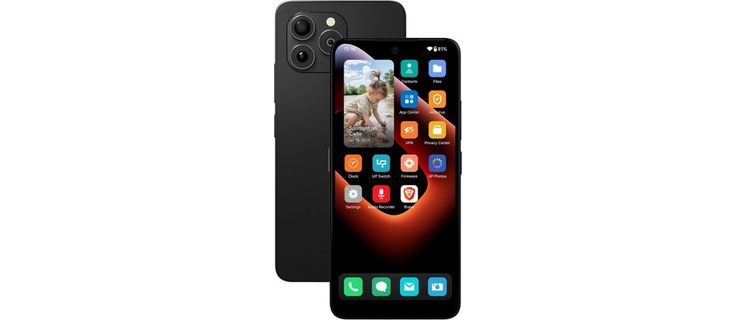
The core philosophy here is absolute user sovereignty. Unlike conventional Android devices that ship with Google Mobile Services (GMS) deeply embedded into the operating system, the UP Phone runs on LibertOS, a de-Googled fork of the Android Open Source Project (AOSP). This means the phone is stripped of the tracking infrastructure that powers the modern mobile internet. Every app, every permission, and every connection is scrutinized by the user, not by an algorithm designed to monetize attention.
The Hardware-Software Synergy
True privacy requires more than just software tweaks; it demands hardware-level safeguards. The UP Phone integrates physical controls that are absent in virtually all other consumer smartphones. Most notably, the device features a physical battery-disconnect kill-switch accessible on the side of the chassis. This is not a software toggle that can be bypassed by malware; it is a mechanical interrupt that physically cuts power to the device, ensuring that no radio transmission, microphone input, or camera access can occur while the switch is active. This level of hardware assurance is critical for journalists, activists, and high-net-worth individuals operating in hostile environments.
LibertOS: A De-Googled Operating System Built for Control
The software experience on the UP Phone is defined by LibertOS (also branded as UnpluggedOS), an operating system that removes the Google ecosystem entirely. For users accustomed to the seamless integration of the Google Play Store, this shift represents a significant change in workflow, but one that offers unparalleled freedom. Instead of an open marketplace flooded with unvetted applications, the UP Phone ships with a curated Unplugged App Center. This center provides a selection of privacy-respecting applications that have been vetted for security and functionality, ensuring that users can perform daily tasks without compromising their digital footprint.
Advanced Network Controls
One of the most powerful features of LibertOS is its granular network control. The operating system allows users to block individual applications from accessing the internet entirely. This is a stark contrast to standard Android or iOS, where apps often have background permissions to phone home even when not in use. With LibertOS, users can see real-time alerts when a foreground app attempts to access the internet, providing immediate visibility into data exfiltration attempts.
Furthermore, the OS enforces strict permission prompts for Bluetooth, NFC, and microphone access. Background apps are heavily restricted, preventing silent data collection. The system also includes an always-on VPN, ensuring that all traffic is encrypted by default. This architecture creates a 'zero-trust' environment where the device assumes that the network is hostile and protects the user accordingly.
Migration and Data Transfer
Transitioning to a privacy-focused device can be daunting, but Unplugged has mitigated this friction with tools like UP Switch. This pre-installed tool allows users to migrate contacts, passwords, and other essential data from their previous devices via local Wi-Fi, keeping the data on the user's network rather than uploading it to a cloud server. Additionally, the UP Uploader enables encrypted cloud photo transfers where the user retains the encryption keys, ensuring that even stored media remains private.
AVAILABLE FROM BIG APPLE BUDDY
Unplugged UP Phone
We buy it in the U.S. and ship it to your door in 75+ countries.
BUY THIS NOW
Hardware Specifications and Physical Security Features
The UP Phone is built on a robust hardware foundation that rivals flagship devices from major manufacturers. The centerpiece is a 6.67-inch AMOLED display with a resolution of 1080x2400, offering vibrant colors and sharp text for both media consumption and productivity. Under the hood, the device is powered by a capable processor that handles the demands of the LibertOS environment without lag, paired with 256GB of internal storage that can be expanded via microSD card up to 1TB+. This expandability is a rare feature in modern smartphones and a crucial asset for users who need to store large amounts of encrypted data locally.
Camera and Communication Systems
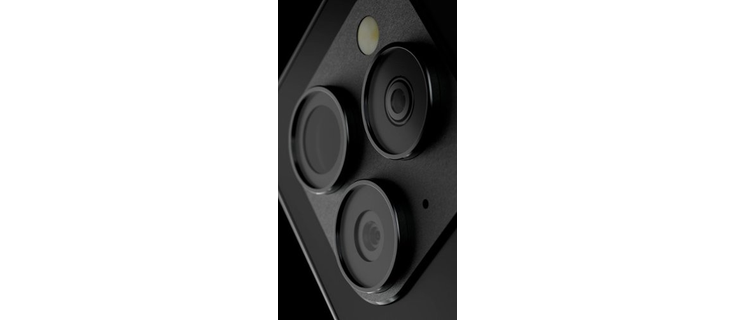
The camera system is designed to capture high-quality media without the telemetry baggage of mainstream phones. The rear setup includes a 108MP main sensor, a 5MP macro lens, and an 8MP wide-angle lens, providing versatility for various photography needs. A 32MP front-facing camera ensures high-quality video calls and selfies. The device supports dual SIM functionality (nano-SIM + eSIM) and offers full compatibility with 2G, 3G, 4G, and 5G cellular networks, making it a viable option for international travelers.
Physical Privacy Controls
Beyond the battery kill-switch, the UP Phone features a customizable Privacy Button. This hardware button can be mapped by the user to toggle the microphone, camera, or radio access with a single press. This immediate, tactile control is essential for users who need to quickly silence their device during sensitive conversations or when entering a secure area. The inclusion of a user-accessible battery disconnect ensures that even if the device is compromised by sophisticated malware, the user retains the physical ability to sever all power and communication.
Independent Testing: Zero Trackers vs. The Competition
The most compelling argument for the UP Phone lies in the independent testing results that validate its privacy claims. In a controlled environment, the security firm Raxis conducted a comprehensive analysis of tracker presence on the UP Phone compared to mainstream flagship devices. The results were stark: the UP Phone registered zero trackers, whereas the iPhone 16 Pro was found to have 3,181 trackers and the Samsung Galaxy S24 had 1,368. This data underscores the effectiveness of the de-Googled LibertOS architecture in eliminating the pervasive tracking infrastructure found in standard smartphones.
Penetration Testing and Security Audits
Beyond tracker counts, the UP Phone has undergone rigorous penetration testing by Alias Cybersecurity. The audit reported zero successful breaches, confirming that the device's security hardening is robust against external attacks. This level of security is achieved not through obscurity but through a 'security by design' approach that minimizes the attack surface of the operating system.
Comparison with Privacy-Focused Alternatives
When compared to other privacy solutions, the UP Phone occupies a unique niche. While GrapheneOS on a Google Pixel is a highly respected, open-source solution, it requires significant technical expertise to flash and configure. The UP Phone offers comparable privacy defaults out of the box, eliminating the need for manual flashing. Unlike the Purism Librem 5 or PinePhone, which run Linux-based OSes and suffer from limited app compatibility, the UP Phone maintains Android compatibility for a broad range of applications while removing the Google telemetry.
Global Compatibility, Pricing, and Real-World Use Cases
The Unplugged UP Phone is positioned as a global device, designed to be compatible with carriers worldwide. It supports major networks in the United States (AT&T, T-Mobile, and MVNOs), Canada (Rogers, Telus, Bell), and the United Kingdom (all carriers). However, it is important to note that CDMA-based networks like Verizon are not supported. For international customers in countries like Australia, Germany, and South Africa, the device may not be available through direct local retailers. In these cases, international buyers can purchase the device through authorized resellers like Big Apple Buddy, which facilitates shipping to these regions.
Pricing and Value Proposition
The MSRP for the 256GB Unlocked Privacy Gray variant is $989, though promotional pricing often brings this down to around $689-$839. When compared to the cost of purchasing a Pixel, flashing GrapheneOS, and the associated time investment, the UP Phone offers a compelling value proposition for those who want immediate, hassle-free privacy. It is also significantly cheaper than other secure communication devices like the Bittium Tough Mobile 2.
Ideal User Profiles
The UP Phone is best suited for journalists, activists, attorneys, and executives who handle sensitive data. It is also ideal for privacy-conscious consumers who want to opt out of the surveillance economy without the technical overhead of custom ROMs. While the device trades some mainstream app compatibility (specifically those requiring Google Play Services) for security, the trade-off is justified for users who prioritize their digital sovereignty above all else.